






Harrogate rewards a slow pace. Its gardens, old spa buildings, tearooms, independent shops and open green spaces feel best during an unhurried visit.
For this editorial journey, I arrived near Harrogate railway station on a mild morning. The station placed me close to the town centre, so I started exploring on foot. Busy shopping streets soon opened onto flowerbeds, pale stone buildings and the broad lawns of the Stray.
My first impression was calm and refined. Harrogate did not feel packed with large monuments. It felt like a place built around walking, gardens, good food and long breaks between attractions.
That relaxed pace became the strongest part of the visit.
The Best Things to Do in Harrogate
| Experience | Time to allow | Best for | Booking |
| The Stray | 45 to 90 minutes | Walking, picnics and first impressions | Not needed |
| Montpellier Quarter | 1 to 2 hours | Independent shops, cafés and architecture | Not needed |
| Valley Gardens | 1 to 2 hours | Gardens, families and quiet walks | Not needed |
| Royal Pump Room Museum | About 1 hour | Spa history and rainy days | Usually not needed |
| Turkish Baths Harrogate | 1.5 to 2 hours | Relaxation and historic interiors | Essential |
| Bettys Harrogate | 1 to 1.5 hours | Tea, cakes and Yorkshire food | Useful for afternoon tea |
| RHS Garden Harlow Carr | Half a day | Gardens, photography and families | Advance tickets recommended |
| Mercer Art Gallery | 45 to 90 minutes | Art and indoor sightseeing | Not needed |
| Knaresborough | Half or full day | Castle views and riverside walks | Not needed |
| Fountains Abbey | Most of a day | History, landscapes and walking | Advance planning recommended |
1. Walk Across the Stray
I started with one of Harrogate’s simplest free experiences: a walk beside the Stray.
The Stray covers around 200 acres of open grassland around the southern side of the town centre. It gives Harrogate an unusual sense of space. One moment I stood beside shops and traffic. A few minutes later, I looked across wide lawns lined with mature trees.
Spring brings colourful crocuses to parts of the Stray. Summer offers better conditions for picnics and long evening walks. Autumn adds warm colour to the trees, while winter creates a quieter and more open atmosphere.
The Stray also helped me understand the town’s layout. Several central streets sit close to its edges, so it works as both a public park and a natural boundary around Harrogate.
Based on this route, I recommend spending about one hour here after arriving. The walk provides a calm introduction without taking too much time away from the historic spa quarter.
2. Explore the Montpellier Quarter


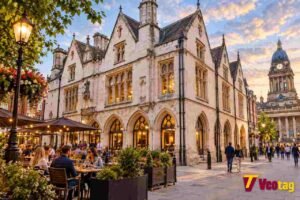
From the town centre, I continued toward the Montpellier Quarter. This area gave me the clearest picture of Harrogate as an old Yorkshire spa town.
The quarter contains stone buildings, decorative ironwork, cafés, galleries, antique shops and independent boutiques. Some lanes and passages feel more intimate than the wider shopping streets near the railway station.
I explored without a strict route. That approach worked well because the pleasure came from small discoveries rather than one major landmark. Shop windows displayed art, gifts, clothing, food and antiques. Outdoor tables added energy without making the area feel too busy.
The Montpellier Quarter also sits close to several major attractions, including Valley Gardens, the Royal Pump Room Museum, Bettys and the Turkish Baths. This makes it one of the most practical bases for a central Harrogate stay.
Morning felt like the best time for exploring. The streets remained quieter, and browsing felt easier before the main lunch period.
3. Discover Harrogate’s Spa History
I next visited the Royal Pump Room Museum. This small museum explained the mineral springs, health treatments and wealthy visitors that shaped Harrogate.
The original Pump Room served people who came to drink the town’s sulphur water. At the time, many visitors believed mineral water helped with health problems. The museum now tells the story of these treatments and Harrogate’s rise as a fashionable spa destination.
I spent about an hour inside. That felt long enough to understand the main displays without slowing the day too much.
The museum made the rest of Harrogate easier to understand. Before the visit, the domes, bath buildings and pump rooms looked attractive but separate. After learning about the springs, they felt connected to one larger story.
The Royal Pump Room Museum also works well during wet weather. It sits close to the Mercer Art Gallery and Valley Gardens, so the route remains compact.
Check the official museum website before travelling for current admission prices and opening times.
4. Walk Through Valley Gardens
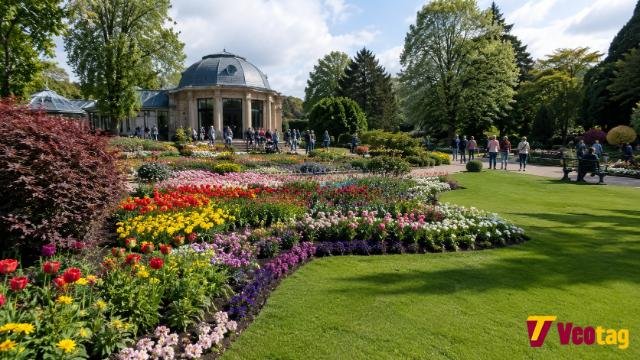
After leaving the museum, I crossed into Valley Gardens. This became one of the easiest places to spend more time than expected.
The gardens contain formal flowerbeds, open lawns, wooded paths, historic spa features and a restored Japanese Garden. The Old Magnesia Well Pump Room provides another link to Harrogate’s mineral-water past.
I first followed the paths near the main entrance. This section felt lively, with flowerbeds, seating areas and families enjoying the open space. Farther inside, the gardens became quieter and more natural.
The best part of the experience came from slowing down. Valley Gardens did not need a strict sightseeing plan. I walked, stopped at benches and explored smaller paths leading away from the busiest areas.
Families have access to open spaces and play facilities. Couples and solo travellers have quieter corners near the wooded paths.
A walking route also connects Valley Gardens with RHS Garden Harlow Carr through the Pinewoods. The route covers about 1.5 miles. Dry weather and comfortable shoes make the walk more enjoyable.
5. Relax at the Turkish Baths

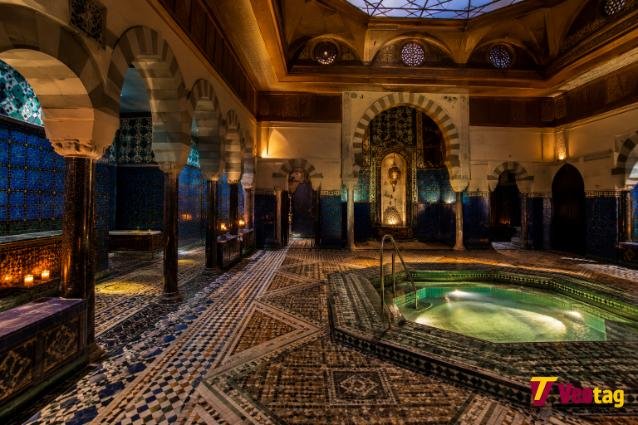
Harrogate’s Turkish Baths offered the most distinctive paid experience in the town centre.
The historic Royal Baths building contains Moorish-style arches, rich tiles, patterned floors and heated bathing rooms. The interior feels very different from a modern hotel spa.
I placed the bathing experience late in the afternoon, after several hours of walking. The timing gave the day a natural finish and provided a quiet break before dinner.
A standard bathing session usually takes around 90 minutes to two hours. Entry is restricted to guests aged 16 and over. Advance booking is essential because each session has limited spaces.
Heritage tours also provide access to the architecture without a full bathing session. Tour schedules change, so check the official Turkish Baths Harrogate website before fixing the day’s route.
Bring swimwear and arrive early enough for check-in. Read the health guidance before booking, especially during pregnancy or when dealing with heart, blood-pressure or circulation conditions.
6. Stop for Tea at Bettys

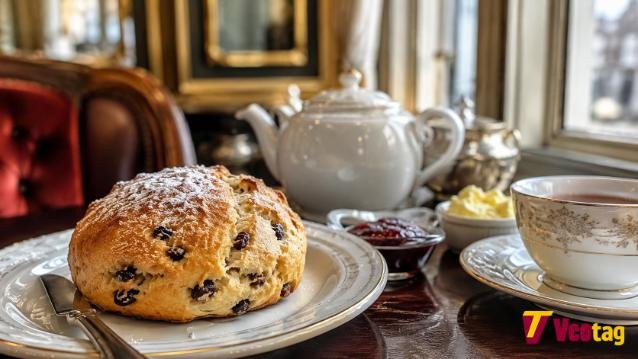
Bettys remains one of Harrogate’s best-known names. The Parliament Street tearoom combines food, local history and an elegant café atmosphere.
I placed the visit after the main sightseeing rather than during the busiest lunch period. Queues often form outside at popular times, especially on weekends and during holiday periods.
The menu includes tea, cakes, breakfast dishes, light meals and seasonal food. One of the best-known items is the Fat Rascal, a large Yorkshire-style fruit scone decorated with almonds and cherries.
Two different experiences are available. The main café mainly serves walk-in guests. Formal afternoon tea takes place in a separate room and requires a reservation.
For a first visit, tea and a Fat Rascal provide the classic experience without filling most of the afternoon. Formal afternoon tea suits birthdays, anniversaries and other special occasions.
Check current menus, prices and reservation details directly with Bettys before visiting.
7. Spend Half a Day at RHS Garden Harlow Carr
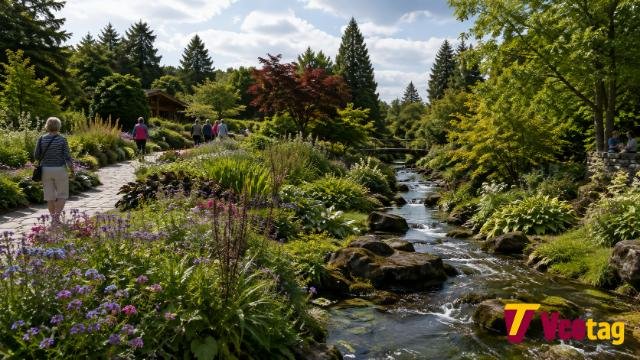
On the second morning, I made RHS Garden Harlow Carr the main experience.
The garden contains streamside planting, woodland areas, a kitchen garden, alpine plants, seasonal borders and family spaces. Harrogate’s cooler northern climate gives the planting a different character from many gardens in southern England.
I allowed at least three hours. Garden enthusiasts easily spend longer, especially during strong spring and summer displays.
The streamside garden stood out because it felt natural while still showing careful design. Paths followed the water through layered planting, small bridges and changing views.
The kitchen garden added a practical side to the visit. It showed vegetables, herbs and edible plants arranged in an attractive but useful way.
Harlow Carr has food options near the entrance and inside the garden. This makes a half-day visit simple, with no need to carry a full meal.
The walk from Valley Gardens through the Pinewoods creates a rewarding approach in dry weather. After several hours inside Harlow Carr, returning by local transport or taxi saves energy.
Opening hours and ticket prices change through the year. Check the official Royal Horticultural Society website before travelling. Online booking often offers better value than buying a ticket at the entrance.
8. Visit the Mercer Art Gallery
The Mercer Art Gallery provided a useful indoor stop during uncertain weather.
The gallery contains works connected with Harrogate’s fine-art collection and hosts changing exhibitions. Its manageable size makes it easy to combine with the Royal Pump Room Museum and Valley Gardens.
I allowed between 45 and 90 minutes. The exact time depends on the exhibition and personal interest in art.
Admission is normally free, making the gallery one of the best budget-friendly attractions in central Harrogate.
The building sits close to the old spa quarter, so little travel time is required. During rain, it forms part of a practical indoor route with the museum, tearooms and Turkish Baths.
9. See a Show at the Royal Hall or Harrogate Theatre
Harrogate has a strong evening programme for a town of its size.
The Royal Hall, Harrogate Theatre and Studio Theatre host drama, comedy, music, talks and touring productions. A performance adds structure to the evening after museums and shops close.
I checked the programme before selecting travel dates. That small step helped connect daytime sightseeing with a clear evening activity.
Popular performances often sell out, especially during festivals and weekends. Book tickets early for major shows.
The Royal Hall also interests architecture lovers. Its grand interior reflects Harrogate’s fashionable spa-town period and adds a sense of occasion to concerts and performances.
10. Take a Half-Day Trip to Knaresborough
For an extra half-day, I added Knaresborough rather than filling the schedule with more central Harrogate attractions.
Knaresborough sits above the River Nidd. The town is known for castle ruins, riverside cafés, rowing boats and a large Victorian railway viaduct crossing the gorge.
I started near the castle viewpoint. From there, the river, trees, houses and railway arches formed one of the strongest views in the area.
Paths then led downhill toward the waterfront. The riverside felt more relaxed than the upper town, with cafés, boats and walking routes beside the water.
The return climb felt steep in places. Comfortable shoes made a clear difference.
Bus and rail services connect Harrogate with Knaresborough. Check departure times on the travel date, especially during evenings, Sundays and public holidays.
11. Give Fountains Abbey a Full Day
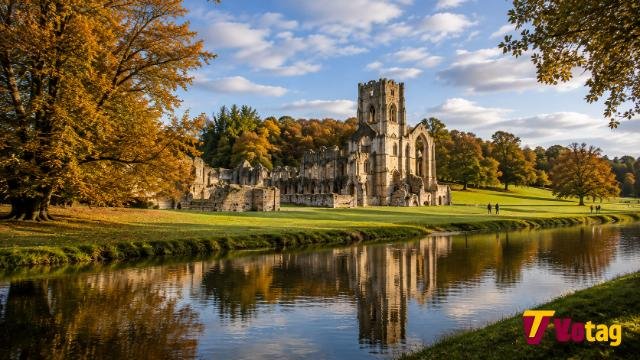
Fountains Abbey and Studley Royal Water Garden formed the strongest major excursion from Harrogate.
The estate combines the ruins of a medieval Cistercian abbey, an eighteenth-century water garden, woodland paths and a deer park. The scale becomes clear only after walking through the full landscape.
I allowed at least five hours. That included the route from the visitor entrance to the abbey, time among the ruins, a walk through the water garden and a food break.
The abbey ruins created the strongest first impression. Tall stone arches and open walls showed the original size of the religious complex.
The water garden offered a different atmosphere. Formal views, ponds, statues and long sightlines contrasted with the rough stone ruins.
The estate contains slopes and long walking routes. Accessibility planning remains important. Step-free access is available through selected entrances and routes, but checking current details before arrival keeps the visit easier.
Travelling by car gives the greatest flexibility. Seasonal buses operate on selected routes and days, so check the latest timetable before relying on public transport.
A Realistic Two-Day Harrogate Route
Day One: Spa History and the Town Centre
I began around 9:30 with a walk beside the Stray. From there, I continued through the town centre into the Montpellier Quarter.
Late morning included the Royal Pump Room Museum and Valley Gardens. Both attractions sit close together, so little time disappeared into transport.
After lunch, I stopped at Bettys and explored more independent shops. The Mercer Art Gallery provided a useful afternoon stop.
A late-afternoon Turkish Baths session ended the sightseeing part of the day. Dinner followed in the Montpellier area or near Cold Bath Road.
Day Two: Gardens and Local Culture
I started in Valley Gardens and followed the Pinewoods route toward RHS Garden Harlow Carr during dry weather.
Most of the late morning and early afternoon belonged to the garden. I returned to central Harrogate for shopping, dinner and an evening performance.
Travellers with less interest in gardens can replace Harlow Carr with a half-day in Knaresborough.
A third day gives Fountains Abbey the time it deserves.
Mistakes to Avoid in Harrogate
Trying to see everything in a few hours
Harrogate is compact, but its main appeal comes from slow walks, gardens and food stops. A rushed visit misses much of its character.
Leaving the Turkish Baths unbooked
Spa sessions, treatments and heritage tours have limited capacity. Reserve a place before arrival.
Visiting Bettys only at peak lunchtime
Queues take time away from the rest of the town. Early morning or later afternoon often feels calmer.
Treating Harlow Carr as a quick stop
The garden needs at least half a day for a relaxed visit.
Relying on countryside buses without checking
Some rural services operate only on selected days or during certain seasons. Confirm the timetable before departure.
Wearing unsuitable shoes
Central Harrogate is easy to explore, but the Pinewoods, Harlow Carr and Knaresborough riverside contain slopes and uneven paths.
Best Time to Visit Harrogate
Spring brings flowers across the Stray, Valley Gardens and Harlow Carr. This season suits garden lovers and photographers.
Summer offers longer daylight hours, outdoor dining and more events. Gardens and tearooms also become busier.
Autumn brings warm tree colours, quieter walks and attractive scenery around Fountains Abbey.
Winter creates a cosy atmosphere. Tearooms, theatre, museums and the Turkish Baths become more important during short or wet days.
Pack a light waterproof layer in every season. Harrogate works best on foot, and changing weather forms part of the Yorkshire experience.
Read Also: Things to Do in Málaga: My Complete Journey Through the City
FAQ’s
Yes. Harrogate suits garden lovers, couples, families, spa breaks and relaxed weekend trips. The combination of green space, historic buildings and food creates a balanced visit.
Two days cover the town centre, Valley Gardens, the Turkish Baths and Harlow Carr. Three days provide time for Knaresborough or Fountains Abbey.
No. Central Harrogate is walkable, and buses and trains connect nearby towns. A car helps with rural attractions and flexible countryside trips.
The Stray, Valley Gardens, the Montpellier Quarter and the Mercer Art Gallery offer strong free experiences. The Pinewoods also provide longer walking routes.
Yes. The Royal Pump Room Museum, Mercer Art Gallery, Turkish Baths, tearooms, shops and theatres provide several indoor options.
Yes. Valley Gardens, the Stray, Harlow Carr and Knaresborough work well for families. The Turkish Baths restrict entry to guests aged 16 and over.
Final Thoughts
Harrogate felt most convincing when explored slowly. The gardens and spa history gave the town its identity, while smaller moments made the route memorable: walking across the Stray, browsing Montpellier’s shops, stopping for tea and noticing how quickly busy streets opened into green space.
For a first visit, I recommend prioritising Valley Gardens, the Royal Pump Room Museum, the Turkish Baths and RHS Garden Harlow Carr. Bettys adds the classic tearoom experience, while Knaresborough provides a change of scenery.
A third day improves the trip. It creates enough space for a full visit to Fountains Abbey without rushing Harrogate itself.
The strongest recommendation is simple: leave gaps in the schedule. Harrogate feels best when there is time to stop, walk and enjoy the town at its natural pace.


