







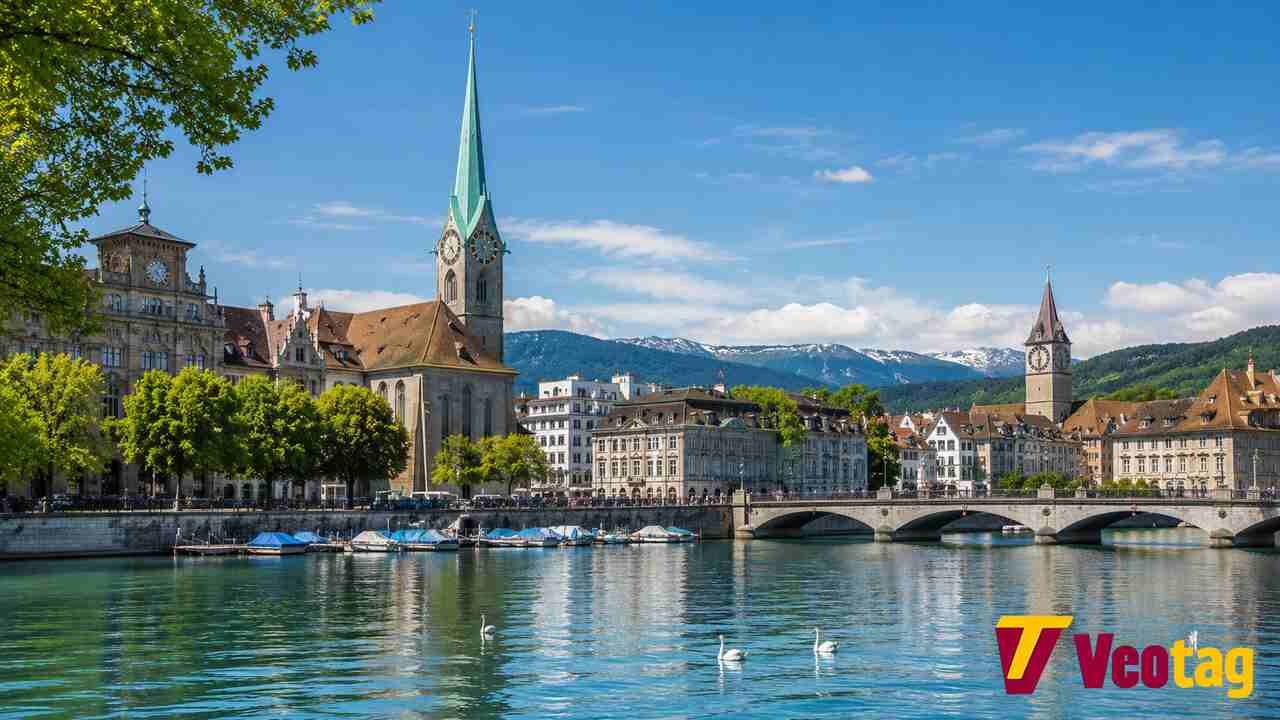
Zurich surprised me because it did not feel like a city that needed to be rushed. The best parts of the experience came from combining famous sights with simple local pleasures: walking beside the Limmat River, stopping above the Old Town at Lindenhof, spending time beside Lake Zurich, exploring historic churches and narrow streets, and leaving enough time for Swiss food, museums, and the surrounding hills.
Zurich is compact, clean, easy to explore, and closely connected to nature. The Old Town, river, lake, museums, shopping streets, and viewpoints fit together naturally, which makes the city especially enjoyable on foot.
Arriving in Zurich and Getting My First Look at the City

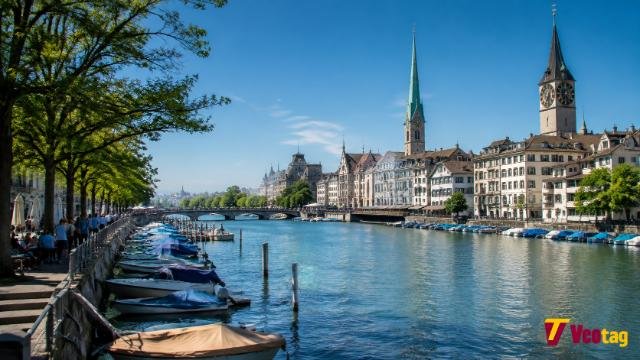
I started exploring from Zürich Hauptbahnhof, Zurich’s main railway station. The location made the beginning simple because the historic center starts almost immediately outside the station.
The first thing I noticed was how compact central Zurich felt. The Limmat River runs through the center, the Old Town spreads across both sides, and Lake Zurich begins just beyond the historic area.
Instead of heading straight into museums or shops, I started with a walk.
That proved to be the best introduction to Zurich. Walking first helped me understand how the main areas connect, and it also showed me how easy it is to move between the river, Old Town, Bahnhofstrasse, churches, and lakefront.
My recommendation for a first visit is simple: start on foot and let the city introduce itself slowly.
1. Walk Through Zurich Old Town
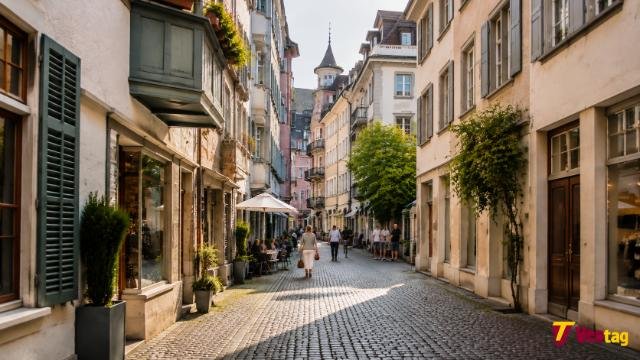
My natural starting point was Altstadt, Zurich’s Old Town.
The historic center lies on both sides of the Limmat River. Instead of following one straight sightseeing route, I explored small lanes, squares, churches, river viewpoints, cafés, and old buildings.
On the eastern side, Niederdorf has narrow pedestrian streets, restaurants, cafés, and small shops. Across the river, the streets around Lindenhof, St. Peter, and Fraumünster feel quieter in places.
Grossmünster, St. Peter, Fraumünster, and Lindenhof are among the important sights in this part of Zurich.
I recommend allowing at least two or three hours for the Old Town.
Trying to finish it quickly takes away much of the experience. Some of the most enjoyable moments come from walking without a strict route, crossing one of the bridges, and following a street simply because it looks interesting.
2. Stop at Lindenhof for One of the Best Free Views
From the Old Town streets, I made my way uphill to Lindenhof.
This became one of my favorite simple stops in central Zurich.
Lindenhof is a historic green space above the Old Town with views toward the Limmat, Grossmünster, City Hall, the university area, and ETH Zurich.
The site also has a long history. A Roman fort once stood here, and the location later became associated with a royal palace.
What I enjoyed most was the change of pace.
The streets below felt active, but Lindenhof gave me a place to stop, look across the rooftops, and understand the shape of the historic center.
Around 20 to 30 minutes is enough for most visitors.
Morning works well for a quieter atmosphere. Late afternoon brings softer light across the Old Town and creates better conditions for photographs.
3. See Grossmünster and Climb Karlsturm
Across the Limmat, the twin towers of Grossmünster dominate the historic skyline.
It is one of Zurich’s most recognizable landmarks.
The church itself is important, but Karlsturm adds another experience. The accessible tower involves 187 stairs, so comfortable shoes help.
The climb gives a much clearer understanding of Zurich’s geography. From above, the Old Town rooftops, river, lake, and surrounding city fit together in one view.
Anyone comfortable with stairs can add the tower climb to an Old Town walk.
One current detail is important. Grossmünster is undergoing renovation work scheduled from 2025 through 2029, so checking current visitor conditions before arriving is a good idea.
4. Visit Fraumünster and See the Chagall Windows
After Grossmünster, I crossed back toward the opposite side of the river and continued to Fraumünster.
The church is especially famous for its stained-glass windows by Marc Chagall.
This is one of those places where slowing down improves the experience. Zurich’s church towers look beautiful from the river, but stepping inside adds another layer to the visit.
Nearby St. Peter is another easy stop. Its large clock face is one of the most noticeable features in the Old Town skyline.
Grossmünster, Fraumünster, and St. Peter fit naturally into the same walking route, so there is little need for public transport between them.
5. Walk Along the Limmat River
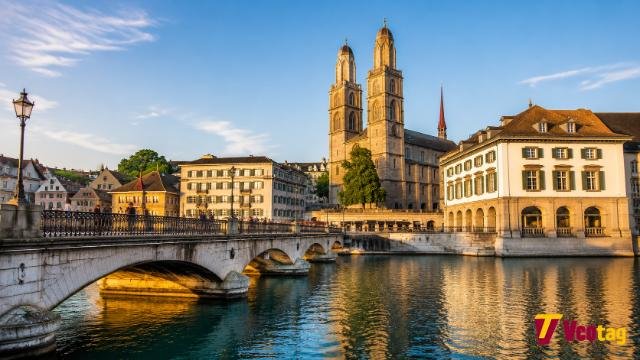
One of the best things I did in Zurich was also one of the simplest: walking beside the Limmat.
The river divides the historic center before continuing north from Lake Zurich.
Walking beside it gave me views of old buildings, church towers, bridges, cafés, and everyday city life without requiring tickets or reservations.
This is also where I recommend putting the phone away for a while.
Zurich works extremely well at walking speed.
Bridges repeatedly connect both sides of the Old Town. If an interesting street, church tower, café, or viewpoint appears across the water, changing direction takes only a few minutes.
6. Spend Time Beside Lake Zurich
Eventually I followed the city toward Lake Zurich, and the atmosphere changed again.
This part of the trip showed me a more relaxed side of Zurich.
The lake is used for swimming, boating, sailing, walking, and relaxing beside the water. Public bathing areas also form an important part of Zurich’s summer culture.
I recommend treating the lake as an experience rather than another sightseeing stop.
Do not arrive, take one photograph, and immediately leave.
Walk along the shore. Find a place beside the water. Watch the boats. Give yourself time to notice how closely the city is connected to the lake.
On a clear day, the combination of water, green hills, and distant Alpine scenery becomes one of the highlights of Zurich.
7. Swim Like a Local During Summer
For a summer visit, swimming deserves a place much higher on the list than many traditional sightseeing guides suggest.
Zurich has a strong outdoor bathing culture.
Locals commonly use public swimming areas known as Badis, with facilities beside both the lake and river.
The Limmat is also used for swimming, but river swimming requires extra care.
Use designated access points, pay attention to the current, and enter only with strong swimming ability. Diving into unknown water and swimming after drinking alcohol are unsafe choices.
Watching experienced local swimmers in the river can make the activity look easier than it really is.
For visitors who simply want to cool down, an official bathing area is often the more comfortable option.
8. Take a Boat Ride on Lake Zurich
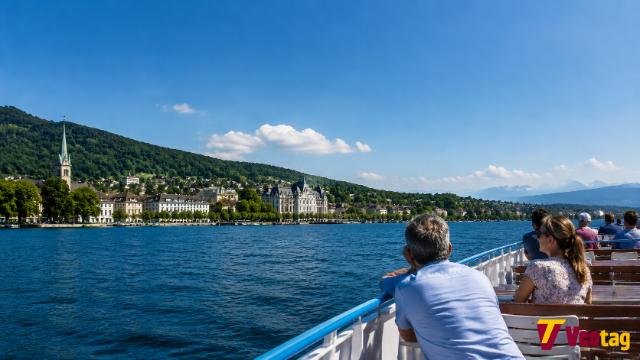
After spending hours walking, a boat ride offers a completely different way to see Zurich.
Lake services connect different communities around the water, while sightseeing cruises provide wider views of the shoreline and surrounding landscape.
The main advantage is simple: sightseeing continues while your feet get a break.
For a short Zurich trip, choose a boat journey that fits naturally between other activities. There is no need to spend most of the day on the water unless the lake itself is a major part of your trip.
A shorter cruise can fit comfortably alongside Old Town sightseeing, lunch, and an evening walk.
9. Go Up Uetliberg for a Wider View of Zurich
After seeing Zurich from street level and from the lake, Uetliberg provides another perspective.
Uetliberg is Zurich’s local mountain and gives travelers an easy escape from the city center.
The wider landscape is the main reason to go.
From the higher ground, the relationship between Zurich, Lake Zurich, the surrounding hills, and the larger Swiss landscape becomes much clearer.
Choose a clear day for this experience.
Clouds and mist can completely change visibility, so keep Uetliberg flexible in the itinerary. When one day has a particularly clear forecast, use that day for the viewpoint and move museums to cloudy or rainy periods.
10. Visit Kunsthaus Zürich
Rain does not ruin a Zurich trip.
When the weather turns wet or cold, Kunsthaus Zürich becomes one of the strongest indoor options.
The museum is one of Zurich’s major art attractions and creates a good contrast with the historic streets and churches outside.
Current opening times are Tuesday, Wednesday, and Friday through Sunday from 10 am to 6 pm. Thursday has extended opening until 8 pm, while Monday is closed.
That Monday closure is important for short trips.
Check museum schedules before deciding which days to dedicate to indoor attractions.
11. Explore the National Museum Zurich
For Swiss history and culture, the National Museum Zurich is another strong choice.
Its location is particularly convenient because it stands beside Zürich Hauptbahnhof.
That makes the museum easy to include on an arrival day, departure day, or rainy afternoon.
The collections cover Swiss history and culture from early periods through modern times.
As of August 2026, normal opening hours are 10 am to 5 pm Tuesday to Wednesday and Friday to Sunday, with extended hours until 7 pm on Thursday. Monday is normally closed.
Adult admission is CHF 13, while children up to age 16 enter free.
If the main goal is understanding Switzerland rather than seeing another general European art collection, this museum makes more sense than trying to fit every museum into the same trip.
12. Ride the Polybahn to the ETH Terrace
Not every good Zurich experience needs several hours.
The Polybahn is a short funicular ride from Central toward the ETH area.
The journey takes about 100 seconds and leads toward Polyterrasse, where views open across the Old Town.
I like this kind of small activity because it fits naturally between bigger attractions.
It changes the perspective without consuming half a day.
For travelers with limited time, combining the Polybahn with Polyterrasse creates an easy viewpoint experience close to the historic center.
13. Walk Along Bahnhofstrasse
At some point, most first-time visitors reach Bahnhofstrasse, Zurich’s famous shopping street.
It connects the area around the main railway station with central Zurich and continues toward the lake.
Luxury stores and international brands dominate parts of the street, particularly around Paradeplatz.
It is worth walking at least once.
However, unless shopping is the main purpose of the trip, there is little reason to spend several hours here.
The Old Town lanes, Limmat riverbanks, lakefront, and viewpoints gave me a much stronger sense of Zurich.
14. Try Zürcher Geschnetzeltes and Rösti

Food adds another layer to a Zurich trip.
One local specialty to know is Zürcher Geschnetzeltes, traditionally made with sliced veal in a creamy sauce. It is commonly served with rösti, a Swiss potato dish with a crisp golden outside.
These two foods make a natural introduction to traditional Zurich cooking.
Zeughauskeller, near Paradeplatz, is known for hearty Swiss dishes, including Zürcher Geschnetzeltes, in a historic former arsenal setting.
Another famous Zurich dining institution is Kronenhalle, which dates to 1924. It is known for classic dishes as well as original artworks displayed inside.
For restaurants that matter to the trip, booking ahead is the safer approach, especially during busy evenings and weekends.
15. Make a Chocolate Trip to Lindt Home of Chocolate
Chocolate lovers and families can add Lindt Home of Chocolate in Kilchberg to the trip.
The attraction combines a chocolate museum experience with a café and shop.
Current general opening hours are 10 am to 7 pm, although holiday hours and special closures can change the schedule. The final regular audio-tour slot is listed at 5:30 pm.
Advance online booking is recommended because tickets can be in high demand.
This is one attraction that benefits from planning ahead rather than leaving the decision until the final afternoon.
What to Prioritize With Limited Time
| Time available | Best priorities |
| Half day | Old Town, Lindenhof, Grossmünster, Limmat walk |
| 1 day | Old Town, churches, Lake Zurich, Bahnhofstrasse, Swiss dinner |
| 2 days | Add Uetliberg and Kunsthaus or National Museum |
| 3 days | Add a lake cruise, Lindt Home of Chocolate, and slower neighborhood exploration |
| Summer visit | Add a Badi or safe lake swimming experience |
The biggest mistake is trying to turn Zurich into a checklist.
Its major sights are close together, but that does not mean every hour needs another attraction.
Leave space for walking, sitting beside the water, stopping for coffee, and exploring streets that were not part of the original route.
Getting Around Zurich
Central Zurich is highly walkable.
For longer journeys, trams, trains, and buses connect the railway station, neighborhoods, museums, viewpoints, and attractions outside the historic center.
Walking works best when two attractions are close together. Public transport saves time and energy when moving farther from the center.
One temporary detail matters in 2026. The Bahnhofquai/HB tram stop is closed through the end of 2026 because of renovation work. Alternatives for the National Museum area include Central, Bahnhofstrasse/HB, and Sihlquai/HB.
Best Time to Visit Zurich
The best season depends on the experience you want.
Summer is ideal for Lake Zurich, Badis, swimming, boat trips, long walks, and evenings outdoors.
Spring brings comfortable conditions for walking and sightseeing.
Autumn works well for museums, Old Town walks, food, and cooler outdoor exploration.
Winter gives Zurich a completely different atmosphere, with colder weather and a stronger focus on indoor culture and seasonal city experiences.
Weather matters most for Uetliberg and lake views.
If one day has a clear forecast, keep that day for outdoor viewpoints and lake activities. Museums fit naturally into cloudy or rainy periods.
Mistakes to Avoid in Zurich
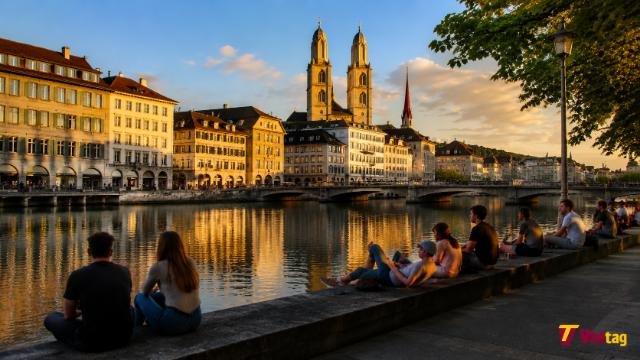
The first mistake is assuming Zurich is only about Bahnhofstrasse, banking, expensive shops, and luxury.
The Old Town, lake, river, swimming culture, museums, and nearby hills show a much more relaxed side of the city.
The second mistake is overplanning.
Leave enough time for walking beside the Limmat and sitting near Lake Zurich.
The third mistake is forgetting museum closing days. Kunsthaus Zürich and the National Museum normally close on Mondays.
Another mistake is leaving popular attractions such as Lindt Home of Chocolate until the last moment when advance booking is recommended.
During summer, never treat the Limmat like an ordinary swimming pool. The river current requires respect and good swimming ability.
Read Also:
- Things to Do in Lanzarote: Volcanoes, Beaches, Caves and the Best Island Experiences
- Things to Do in Scarborough: Beaches, Castle, Parks and the Best Seaside Experiences
- Things to Do in Rhodes: History, Beaches, Villages and Island Adventures
FAQ’s
Start with Zurich Old Town, Lindenhof, Grossmünster, the Limmat River, and Lake Zurich. With more time, add Uetliberg and one major museum.
One day is enough to experience the historic center, river, churches, and lakefront. Two days gives the trip a more comfortable pace. Three days leaves time for museums, Uetliberg, chocolate, and a lake experience.
Walk through the Old Town, visit Lindenhof, explore the Limmat waterfront, walk beside Lake Zurich, cross the historic bridges, and enjoy several city viewpoints.
Yes. Central Zurich is especially convenient on foot because the main railway station, Bahnhofstrasse, Old Town, Limmat River, and lakefront are relatively close together.
Use the wettest hours for Kunsthaus Zürich, the National Museum, churches, cafés, and other indoor attractions. Zurich’s compact center makes it easy to combine indoor stops with short walks.
Start with Zürcher Geschnetzeltes and rösti. Swiss cheese dishes and chocolate are also popular, but trying a dish specifically connected with Zurich makes the food experience more local.
Final Thoughts
What makes Zurich worth visiting is not one enormous landmark.
It is the combination of experiences packed into a compact city: medieval lanes in the Old Town, the Limmat flowing between historic buildings and church towers, swimming and boats on the water, museums close to the railway station, traditional Swiss food, and green hills rising beyond the city.
My main recommendation is to keep enough free time to walk from the Old Town toward Lake Zurich without rushing.
That simple route brings together much of what makes the city enjoyable.
Zurich works best when there is time to look around, sit beside the water, follow an unexpected street, stop for Swiss food, and experience the city between the major attractions rather than only inside them.


