

Málaga first appeared to be a simple Mediterranean beach city, but the journey quickly became richer than that. I found Roman ruins below a Moorish fortress, quiet courtyards above busy streets, Picasso’s art inside a historic palace, a colorful food market, a modern port, and old fishing neighborhoods beside the sea.
I explored the city in a natural order, beginning with its historic center and ending with grilled sardines near the beach. This route kept the walking realistic and gave every part of Málaga enough time.
Arriving in Málaga
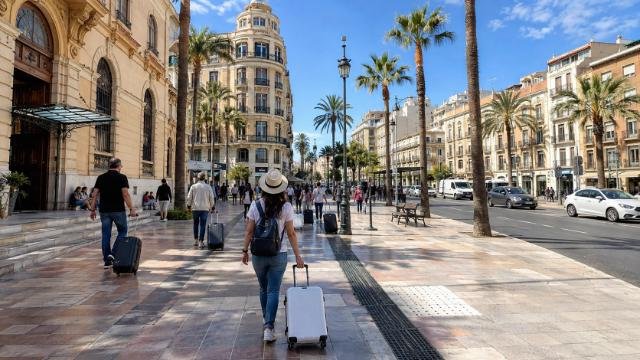
I arrived at Málaga-Costa del Sol Airport in the morning and followed the signs to the C1 commuter train. The journey to Málaga Centro-Alameda took about 12 minutes. The same train reached María Zambrano railway station in about eight minutes, which made it useful for travelers connecting with long-distance trains.
After leaving Centro-Alameda station, I walked toward the historic center. The streets became more attractive as I approached Calle Larios, Plaza de la Constitución, and the cathedral area. Málaga felt compact from the beginning. Most of the main central attractions sat close enough together for a comfortable walking route.
The Mediterranean light stood out immediately. White and cream buildings reflected the sun, palm trees lined parts of the route, and the hills rose behind the old town. The sea never felt far away, even while I walked through narrow historic streets.
1. I Began at the Alcazaba
I started my first full morning at the Alcazaba. Arriving early made the visit calmer and kept the steep sections more comfortable before the strongest heat.
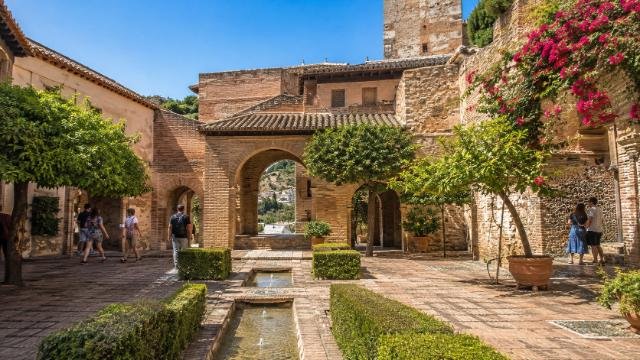
The entrance sat beside Calle Alcazabilla, directly above the Roman Theatre. Once inside, I passed through stone gates, defensive walls, shaded passages, small gardens, fountains, and Moorish courtyards. The route climbed gradually, and every higher section revealed a wider view of Málaga.
The Alcazaba did not feel like a single building. It felt like a sequence of protected spaces. Narrow entrances opened into peaceful courtyards, then closed again behind thick walls. That slow change between shadow and sunlight became one of the most enjoyable parts of the visit.
I spent about 90 minutes inside. That gave me enough time to stop at the viewpoints, study the architectural details, and walk without rushing.
At the time of this update, the Alcazaba and Gibralfaro Castle opened from 9:00 a.m. to 8:00 p.m. between April and October, with final admission at 7:00 p.m. Winter hours ran from 9:00 a.m. to 6:00 p.m., with final admission at 5:00 p.m. General admission cost €7, while the combined Alcazaba and Gibralfaro ticket cost €10.
My recommendation was to arrive close to opening time during the warmer months. The site became hotter and busier later in the day, and several paths had limited shade.
2. I Stopped at the Roman Theatre
After leaving the Alcazaba, I walked down to the Roman Theatre. The theatre stood at the foot of the fortress hill, which made the contrast between Roman and Moorish Málaga easy to see in one view.
The stone seating opened toward Calle Alcazabilla, while the Alcazaba walls rose behind it. I stayed for about 30 minutes. That was enough time to view the site, read the displays, and sit nearby for a short break.
The theatre dated from the first century and remained hidden underground for centuries before its discovery in 1951. Its location directly below the Alcazaba made this one of the clearest places to understand Málaga’s layered history.
I noticed that many visitors hurried past after taking one photograph. Staying slightly longer made the site more meaningful. The shapes of the seating, stage area, and entrances became clearer after I looked beyond the main viewpoint.
Calle Alcazabilla also became a useful place for coffee. The street had cafés, terraces, historic buildings, and a steady flow of people moving between the theatre, Picasso Museum, and Plaza de la Merced.
3. I Climbed to Gibralfaro Castle
I visited Gibralfaro Castle after the Alcazaba and Roman Theatre. The castle stood higher on the same hill, but the climb became much steeper.
Instead of treating the uphill walk as a casual stroll, I took the heat and distance seriously. Bus number 35 provided access to Gibralfaro, and it saved energy for walking around the castle walls.
Once I reached the top, the geography of Málaga became easy to understand. I saw the port, bullring, old town, cathedral, modern neighborhoods, coastline, and surrounding hills. The view explained how closely Málaga’s history had developed around the sea.
I spent about an hour walking around the walls. The main reward came from the viewpoints rather than the interior spaces. Each corner showed a different part of the city.
My best photographs came from the sections overlooking the port and bullring. The late-afternoon light softened the city, but the exposed walls still felt warm. Comfortable shoes, water, and sun protection made a real difference.
The combined ticket from the Alcazaba covered entry to Gibralfaro, so I kept the ticket secure between the two visits.
4. I Walked Through Málaga’s Historic Center
After the hilltop monuments, I slowed down and explored the old center on foot. My route followed Calle Alcazabilla, Calle Granada, Plaza de la Merced, Calle San Agustín, the cathedral area, Calle Larios, and Plaza de la Constitución.
Plaza de la Merced felt open and social. Cafés surrounded the square, people crossed it in every direction, and Picasso’s birthplace stood along one side. I did not stay only for the landmark. I sat for a while and watched daily life continue around it.
From the square, I followed Calle Granada back toward the center. The street curved between old buildings, tapas bars, small shops, and churches. It felt more personal than the wider shopping streets.
Calle Larios had a different character. It was broad, pedestrianized, polished, and often busy. I crossed it several times, but the smaller streets around it held my attention for longer.
The old center became livelier in the evening. Families walked together, terraces filled, and people stopped for drinks before dinner. The atmosphere felt social rather than rushed.
My favorite walking loop connected Plaza de la Merced with Calle Granada, the cathedral, Plaza de la Constitución, and Atarazanas Market. It covered many central sights without unnecessary backtracking.
5. I Entered Málaga Cathedral
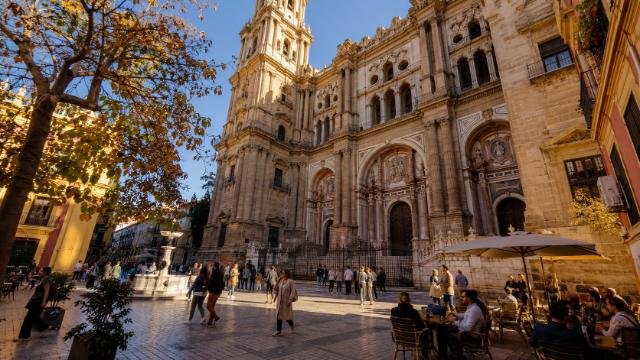
I reached Málaga Cathedral through the narrow streets near Plaza del Obispo. The building appeared suddenly above the surrounding roofs, and its scale felt much stronger from the square than it had from distant viewpoints.
The cathedral became known as La Manquita, meaning “the one-armed lady,” because one of its towers remained unfinished. Its exterior combined different architectural periods, while the interior contained high ceilings, chapels, carved choir stalls, and large organs.
I entered during the quieter part of the afternoon and spent about 50 minutes inside. The change from the bright, noisy square to the cool interior felt immediate.
I moved slowly through the side chapels and central nave. The choir area held some of the finest details, so I gave it more attention than the entrance area.
At the time of this update, general admission cost €10 and included an audio guide. Published visiting hours changed during the year. From June through October, weekday visits ran from 10:30 a.m. to 8:00 p.m., while Saturdays and Sundays closed earlier. The cathedral remained an active place of worship, and tourist access changed during services or special events.
I kept my clothing respectful and my voice low. That simple approach matched the character of the building and avoided disturbing worshippers.
6. I Explored the Museo Picasso Málaga
I visited the Museo Picasso Málaga during the warmest part of the afternoon. The museum stood inside Palacio de Buenavista on Calle San Agustín, close to the cathedral, Alcazaba, and Roman Theatre.
The location made it easy to include without crossing the city. I entered after lunch and spent about 90 minutes inside.
The collection showed Picasso’s work across different stages of his life rather than focusing on one famous style. Paintings, ceramics, drawings, prints, and sculptures created a broader picture of his development.
I enjoyed the building almost as much as the collection. The historic palace, central courtyard, stone details, and garden created a quiet setting away from the busy streets.
At the time of this update, the museum opened every day. Seasonal hours ran from 10:00 a.m. to 7:00 p.m. from March through June and September through October, from 10:00 a.m. to 8:00 p.m. in July and August, and from 10:00 a.m. to 6:00 p.m. from November through February. A full-access ticket cost €13, with a reduced rate of €11. Online booking helped secure entry during busy periods.
My main lesson came from pacing. Trying to read every label became tiring. I focused on the works that held my attention and left enough time for the peaceful courtyard.
7. I Ate at Mercado Central de Atarazanas
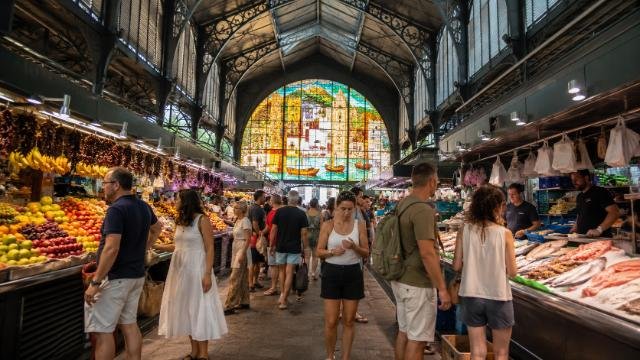
I reached Mercado Central de Atarazanas before lunch. That timing worked well because the stalls remained active, the produce looked fresh, and local shoppers still filled the aisles.
The building combined ironwork, colorful stained glass, and an old gateway that recalled the site’s earlier history. Inside, I passed fruit, vegetables, olives, meat, cheese, spices, and seafood.
Atarazanas was not only a food stop. It also showed the city’s everyday rhythm. Stallholders prepared orders, neighbors spoke across counters, and small market bars served simple plates beside the shopping aisles. Málaga’s tourism office described it as a historic market that reflected the city’s architectural and food heritage.
I kept the meal small and varied. I tasted olives, anchovies, cured ham, and a tomato-based local dish instead of ordering one large plate.
Several Málaga specialties stood out during the trip:
| Local food | What I found |
| Boquerones | Small anchovies served fried or marinated |
| Porra antequerana | A thick, cold tomato dish |
| Ensalada malagueña | A salad often made with potato, orange, onion, olives, and salted cod |
| Ajoblanco | A cold almond, bread, and garlic soup |
| Espetos | Sardines grilled on skewers beside the beach |
| Málaga wine | A rich local wine, often sweet |
I arrived before the late-lunch rush and found space at a counter. Arriving much later had reduced the market experience because produce stalls had started closing.
8. I Crossed Parque de Málaga and Reached the Port
After leaving the market and historic center, I walked toward Parque de Málaga. The shaded paths came at the right time after several hours on stone streets.
Tall palms, tropical plants, fountains, and benches lined the park. Traffic moved along the nearby road, but the dense planting softened the noise.
I continued toward the waterfront and entered Palmeral de las Sorpresas. The city opened suddenly here. The narrow streets disappeared, and the port introduced broad paths, sea air, modern structures, and long views.
Muelle Uno felt polished and relaxed. Restaurants and shops lined the harbor, while boats and cruise ships appeared across the water. The colorful glass cube of Centre Pompidou Málaga became the easiest landmark to recognize.
Málaga’s official national tourism guide connected the port with La Farola lighthouse, La Malagueta, Centre Pompidou, and the sunset walk along Muelle Uno.
I stayed until the light softened. The port looked best near sunset, when the water reflected warmer colors and the afternoon heat began to fade.
9. I Rested at La Malagueta Beach
From Muelle Uno, I continued toward La Malagueta. The walk remained flat and straightforward, passing La Farola before reaching the city beach.
La Malagueta felt convenient rather than remote. Apartment buildings and city roads sat behind the sand, while the port remained close enough to reach on foot.
I stopped for a walk along the shore and a short rest. The beach worked well as part of a sightseeing day because it required no long journey from the center.
The sand became busier during the afternoon. Morning offered more space, while the late afternoon brought softer light and a cooler atmosphere.
I kept valuables close and brought water, sunscreen, and sandals. Málaga had 16 beaches, and La Malagueta remained the best-known central option.
The beach made sense for a quick swim or sunset walk. Pedregalejo offered a stronger local food experience, so I saved my seafood meal for that neighborhood.
10. I Ate Espetos in Pedregalejo
I traveled east from central Málaga to Pedregalejo in the late afternoon. The neighborhood felt different from the historic center almost immediately.
Low buildings faced the sea, small bays broke up the shoreline, and old fishing traditions remained visible through the beach restaurants. The promenade filled gradually as the evening approached.
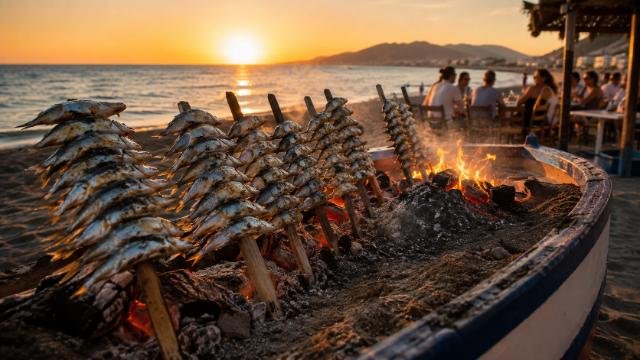
I ordered espetos de sardinas, sardines placed on a skewer and grilled over open coals, often beside the beach in a sand-filled boat. The fish arrived simply prepared, with smoke, salt, and the natural flavor of the sardines doing most of the work.
Pedregalejo had become closely associated with charcoal-grilled sardine skewers and Málaga’s seaside food culture. Spain’s official tourism guide highlighted the neighborhood as a place for this traditional dish.
I added fried anchovies and a tomato salad. The meal felt more connected to the coast than the restaurant options around the central shopping streets.
The timing mattered. Arriving before the busiest dinner period gave me a table close to the promenade and enough daylight to see the beach. Sunset changed the atmosphere slowly, and the evening felt unhurried.
11. I Experienced Málaga After Dark
I returned to the historic center after sunset. The temperature felt more comfortable, terraces filled, and the streets around Calle Granada, Plaza de la Merced, Calle Larios, and Plaza de la Constitución became more active.
I did not add another major attraction. The evening became a slower part of the journey, built around walking, tapas, conversation, and the changing light around the cathedral.
Dinner started later than it did in many other European cities. Restaurants felt quiet early in the evening and became much livelier closer to 9:00 p.m.
I ordered a few small plates instead of one heavy meal. This made it easier to try different places and experience more than one part of the center.
A small glass of Málaga wine ended the evening. The flavor felt richer and sweeter than ordinary table wine, so a small serving was enough.
The most enjoyable night route followed Plaza de la Merced, Calle Granada, the cathedral, Plaza del Obispo, and Plaza de la Constitución. It remained central, well lit, and filled with people.
12. I Took a Day Trip to Caminito del Rey
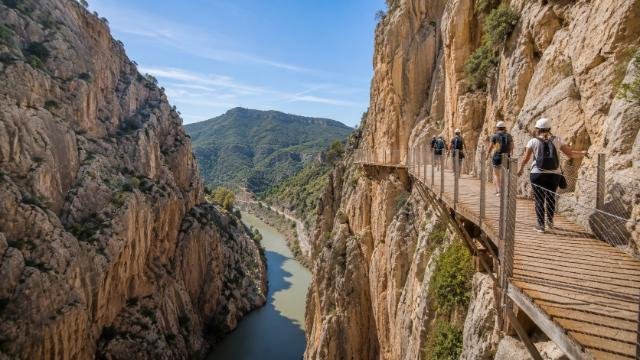
After spending several days in Málaga, I used a separate day for Caminito del Rey. The cliffside route stood less than 60 kilometers from the city, inside the Desfiladero de los Gaitanes area.
The journey required more preparation than a normal city walk. I reserved entry in advance, checked the access instructions, carried identification, and wore secure walking shoes.
The route followed paths and raised boardwalks through gorges and a broad valley. The height and exposed sections made it exciting, but the managed trail and safety equipment kept the experience structured.
At the time of this update, general admission cost €10, an official guided visit cost €18, the shuttle bus cost €2.50, and parking cost €2. Children under eight were not allowed to enter. Visitors aged eight and above needed original identification, and travelers under 18 needed an accompanying adult.
The drive from Málaga covered about 59 kilometers and took slightly more than 50 minutes under normal conditions. Regional trains also served El Chorro, although schedules required checking before departure.
My main lesson was to allow extra time before the booked entry. The reception areas, tunnels, access paths, parking, and shuttle connections added time before the main boardwalk began.
My Two-Day Málaga Route
| Time | First day | Second day |
| Early morning | Alcazaba | Atarazanas Market |
| Late morning | Roman Theatre and old center | Cathedral and Calle Larios |
| Lunch | Tapas near Calle Granada | Market food or central tapas |
| Afternoon | Museo Picasso Málaga | Parque de Málaga and Muelle Uno |
| Late afternoon | Gibralfaro Castle | La Malagueta |
| Evening | Plaza de la Merced | Pedregalejo seafood dinner |
This route gave each area enough time and kept the daily walking manageable. I avoided placing the Alcazaba, Gibralfaro, several museums, the beach, and Pedregalejo into one overloaded day.
Mistakes I Learned to Avoid
The first mistake involved timing. Climbing toward Gibralfaro during the hottest part of the day used too much energy. Starting early or taking bus 35 uphill made the visit easier.
The second mistake involved Atarazanas Market. Reaching it late reduced the atmosphere because some stalls had already slowed down or closed. The morning produced a better experience.
The third mistake involved Málaga’s identity. Treating the city only as an airport gateway to the Costa del Sol missed its strongest qualities. Two full days gave the historic center, museums, port, beaches, and food enough space.
The fourth mistake involved restaurant location. Central restaurants offered convenience, but Pedregalejo created a more natural setting for seafood and espetos.
The final mistake involved checking opening information too early. Museum hours, religious access, ticket prices, temporary exhibitions, and weather-related closures changed. I checked official pages again shortly before each visit.
Read Also: The Ultimate Guide to Tropical Vacation Spots: Discover Paradise on Earth
FAQ’s
Two full days covered the Alcazaba, Gibralfaro, Roman Theatre, cathedral, one major museum, the port, La Malagueta, and Pedregalejo. A third or fourth day created space for Caminito del Rey or another trip outside the city.
The historic center, port, cathedral, museums, and La Malagueta felt easy to connect on foot. Gibralfaro created the main challenge because of the steep climb.
Spring and autumn gave the best balance for long walks, outdoor monuments, and beach time. Summer suited swimming and evening activity, but the midday heat made exposed hilltop attractions harder.
The Alcazaba, Gibralfaro, and Museo Picasso Málaga each needed about one to two hours. The Roman Theatre needed much less time and fitted naturally beside the Alcazaba.
Espetos in Pedregalejo created the strongest connection between Málaga’s food and coastline. Atarazanas Market gave the widest introduction to local ingredients and small dishes.
The compact center, parks, port, museums, and beaches worked well for families. Caminito del Rey had stricter age and safety rules, including a ban on entry for children under eight.
Final Thoughts
Málaga gave me far more than a beach break. Its history appeared in clear layers, from the Roman Theatre to the Alcazaba, Gibralfaro, cathedral, and Picasso’s artistic legacy. The sea added another side through the port, La Malagueta, Pedregalejo, and the old fishing culture.
The Alcazaba became my favorite historic attraction, while the sunset seafood meal in Pedregalejo became my favorite local experience. The best journey combined both sides of the city instead of choosing between culture and the coast.
My final recommendation remained simple: I started early at the Alcazaba, crossed the old center slowly, saved a museum for the warm afternoon, and ended beside the sea with espetos. That route captured the part of Málaga I remembered most clearly.
