







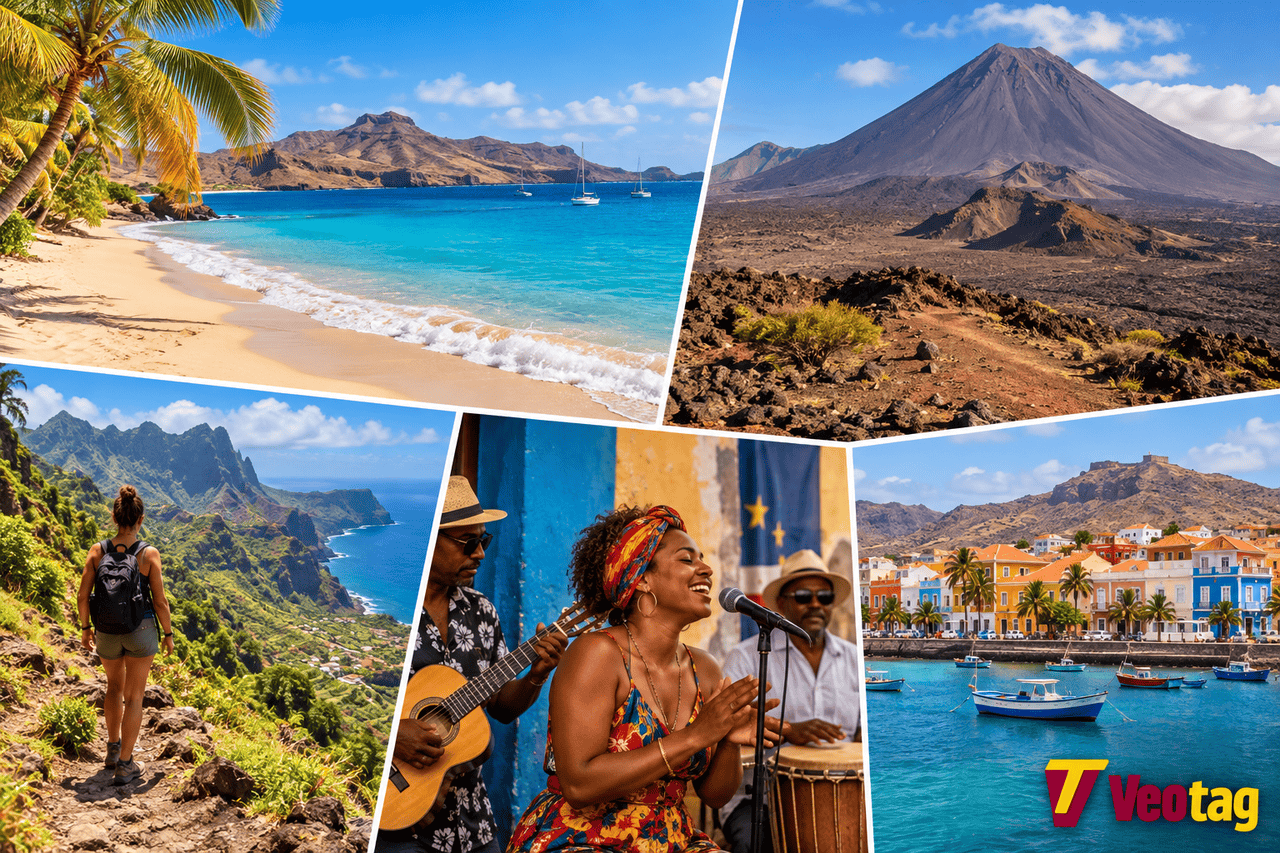
Cape Verde, officially Cabo Verde, is not the kind of destination that can be understood from one beach or one resort. The country is an Atlantic archipelago of 10 islands, and the experience changes greatly depending on which island you choose. Sal and Boa Vista are known for long sandy beaches, Santo Antão for mountain walks, Fogo for its volcanic landscape, Santiago for history and local culture, and São Vicente for music and the lively streets of Mindelo.
I approached this guide as an experience-led journey rather than a simple list of attractions. The first thing I would tell another traveler is simple: do not treat Cape Verde as a single beach destination. Some of its most memorable experiences are far from the sand.
This journey is written in a first-person editorial travel style rather than as a claim that I personally completed these exact activities. That keeps the practical details grounded in current destination information while preserving the feeling of traveling through the islands together.
Arriving in Cape Verde: Understanding the Islands First

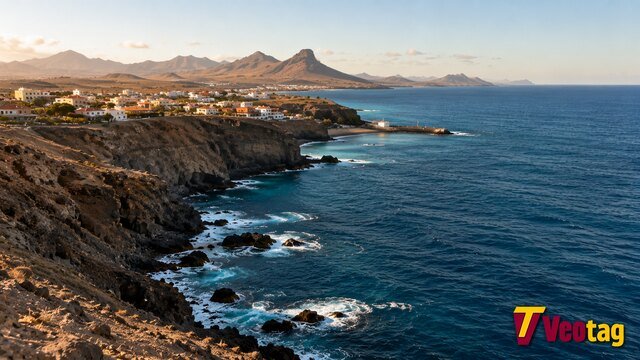
The first impression I wanted from Cape Verde was sunshine, ocean and open space. That is easy to find, but the climate deserves some context.
Cabo Verde has an arid to semi-arid climate. Daytime average temperatures generally sit around 24°C to 28°C, while the long dry season normally runs from November through July. August to October is the wetter period, although rainfall is still concentrated into relatively few days. Mountainous islands such as Santo Antão, Santiago and Fogo can become noticeably greener during this period.
That seasonal difference matters.
For beaches and generally stable outdoor weather, I would favor the dry months. For hiking among greener valleys, the wetter part of the year can transform the landscape, although rain can also make mountain paths more difficult.
Another thing I learned while looking at the map is that island hopping requires planning. Cabo Verde is spread across the Atlantic rather than joined by a simple road or rail network. Inter-island flights connect several islands, while ferries provide another way of moving between them.
1. Relax on Santa Maria Beach on Sal
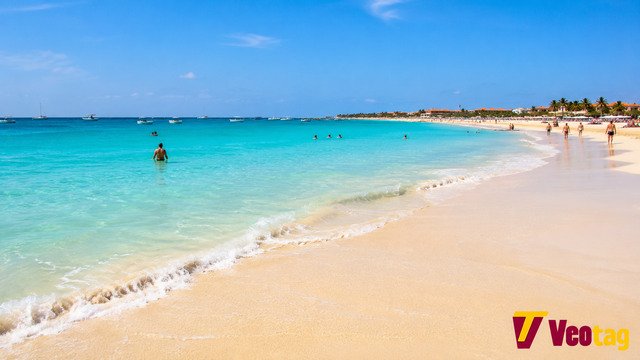
For many travelers, the easiest introduction to Cape Verde is Sal.
The island offers the classic combination people often imagine before arriving: pale sand, clear Atlantic water and a strong beach-holiday atmosphere.
I would start in Santa Maria and walk along Praia de Santa Maria rather than immediately choosing one spot and staying there all day. The beach stretches for several kilometers, so walking gives you a much better sense of its size and character.
Swimming and sunbathing are obvious choices, but Sal is also a strong base for water activities. Kayaking, stand-up paddleboarding, surfing, windsurfing, kitesurfing, snorkeling and diving are among the activities associated with the Santa Maria area.
My practical lesson would be to leave space in the schedule. Sal is one of those places where trying to fill every hour with an excursion can work against the reason you came.
2. Float in the Pedra de Lume Salt Flats
One of the most unusual things to do on Sal is leave the beach and head toward Pedra de Lume.
The salt flats lie inside the crater of an extinct volcano. Salt production played an important role in Sal’s development, and the site combines unusual geology with industrial history.
The experience most travelers remember is floating in the highly salty water.
I would not rush this visit. The crater landscape itself deserves attention. The dry volcanic surroundings, salt pools and remains connected with the area’s salt-producing past create a completely different atmosphere from Santa Maria.
This is exactly why I would explore beyond the resort areas of Sal. The island becomes much more interesting when its beach landscape is combined with its geology and history.
3. See Buracona and the Volcanic Coast of Sal
I would continue a Sal road trip toward Buracona, where volcanic rock meets the Atlantic.
This part of the island shows another side of Cape Verde. Instead of a wide sandy beach, the landscape becomes darker, rougher and more volcanic.
Buracona is known for its natural pool and the “Blue Eye,” an optical effect associated with sunlight entering the rocky opening. Conditions matter, so I would never build an entire day around seeing one perfect photograph.
The broader coastal scenery is the more reliable reward.
4. Walk Through the Green Valleys of Santo Antão
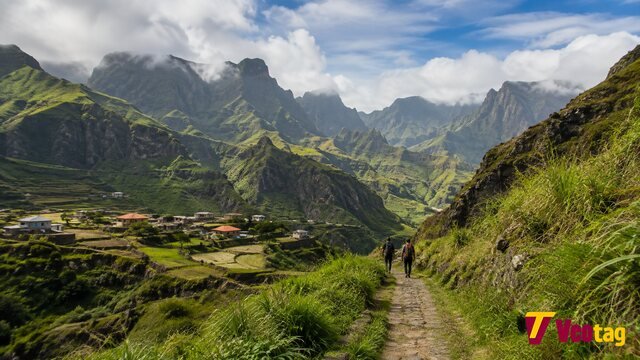
If I had to choose one Cape Verde island specifically for hiking, it would be Santo Antão.
This is where the visual character of the trip changes dramatically.
Rocky mountains rise above deep valleys, and greener agricultural areas appear between steep slopes. The official tourism information highlights routes around Ribeira Grande, Paul Valley, Cova and the coastal settlements as major hiking areas.
The Cova to Paul area is one of the walks I would prioritize. It offers the kind of scenery many first-time visitors do not associate with Cape Verde at all.
Another fascinating route connects Cruzinha and Ponta do Sol, passing traditional settlements including Fontainhas.
I would allow more time than the map suggests. Mountain walks here are not only about reaching the end. The views, villages, cultivated slopes and changing elevation are part of the experience.
Good footwear matters, and weather matters even more. During wetter periods, trails can become more difficult.
5. Walk the Dramatic Coast Near Ponta do Sol
Santo Antão is not only about green valleys.
I would also make time for the northern coast around Ponta do Sol, where mountains fall dramatically toward the Atlantic.
This combination of cliffs, ocean and small settlements creates some of the island’s strongest walking scenery.
The important lesson here is not to underestimate Santo Antão. I would not treat it as a quick side trip simply because it can be reached from neighboring São Vicente. For travelers who genuinely enjoy walking, landscapes and rural life, Santo Antão deserves several days.
6. Experience Mindelo on São Vicente
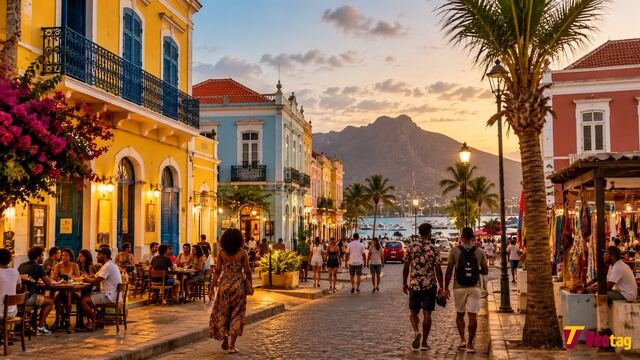
After mountain scenery, Mindelo offers a completely different type of Cape Verde experience.
São Vicente is closely associated with music and cultural life, and Mindelo is its main city. Cabo Verdean musical traditions are central to the island’s identity, and the city is strongly connected with famous singer Cesária Évora.
I would explore the center slowly rather than moving between landmarks by taxi.
The Municipal Market is one useful place to see everyday commercial life, while the Mindelo Cultural Center is connected with music, theater, exhibitions and other cultural activities.
Later, I would head toward Laginha Beach.
This is what makes São Vicente so appealing. A day can move naturally from markets and city streets to swimming, followed by live music in the evening.
Mindelo’s nightlife is particularly associated with the city center, including the area around Rua de Lisboa and Praça Nova.
7. Listen to Morna Music
One experience I would consider essential is hearing morna.
Morna is one of Cabo Verde’s defining musical traditions. It has a reflective, emotional character and is closely linked with the cultural identity of the islands.
Mindelo is one of the best places to connect with that musical side of the country.
Rather than treating an evening performance simply as nightlife, I would see it as part of understanding Cape Verde. Music here carries stories of island life, migration, longing and cultural identity.
That makes an evening of local music very different from a generic resort show.
8. Climb Pico do Fogo

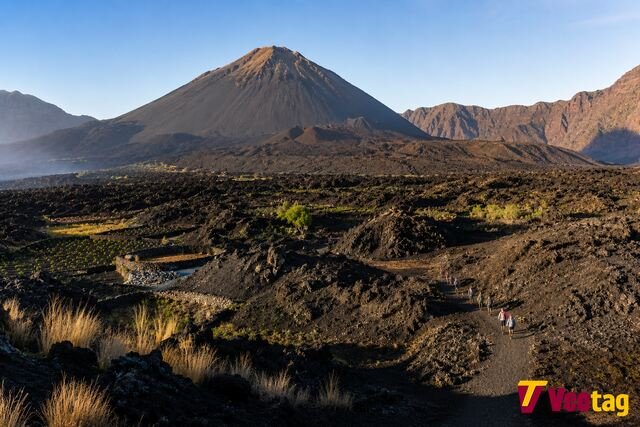
Then there is Fogo.
The island is dominated by its volcano, Pico do Fogo, which rises to roughly 2,829 meters and forms the highest point of Cabo Verde. The volcano remains active, with the most recent eruption occurring in 2014.
For active travelers, climbing in this volcanic landscape is one of the country’s standout adventures.
I would base the experience around Chã das Caldeiras, inside the volcanic setting, rather than thinking of Pico do Fogo as an isolated mountain attraction.
The landscape is the real story.
Black volcanic ground, the huge cone, agricultural areas and settlements create an environment that feels completely removed from the beaches of Sal and Boa Vista.
The climb itself is demanding enough that I would treat it as a serious mountain activity rather than an ordinary sightseeing walk. Travelers should check current local conditions and use appropriate local guidance.
9. Explore Fogo’s Volcanic Vineyards and Landscapes
I would not leave Fogo immediately after climbing the volcano.
The area around Chã das Caldeiras also has agriculture growing in volcanic soil, including vineyards. Official tourism information specifically identifies visiting these vineyards as one of Fogo’s nature experiences.
That contrast fascinated me most about the island conceptually: an apparently harsh volcanic environment also supports farming.
São Filipe, the island’s capital, adds a more urban and historic dimension to the trip, so I would combine the volcano with time there rather than making Fogo only about hiking.
10. Explore Cidade Velha on Santiago
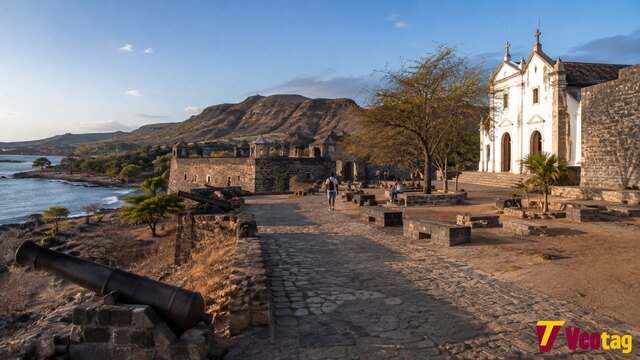
For history, I would make Santiago a priority.
Near Praia lies Cidade Velha, the historic center of Ribeira Grande and Cabo Verde’s UNESCO World Heritage Site. It was inscribed in 2009. UNESCO describes Ribeira Grande as the first European colonial town built in the tropics and an important location in Atlantic maritime trade and the history of the trade in enslaved people.
This is a place I would approach slowly and thoughtfully.
Its history includes European colonial expansion, forced movement and enslavement, trade and the development of Creole society. It therefore deserves more than a quick photo stop.
Among Santiago’s cultural landmarks are the Royal Fort of São Filipe and religious sites connected with Cidade Velha’s historic landscape.
11. Experience Praia and Santiago’s Local Culture
Santiago deserves more than Cidade Velha.
I would spend time in Praia, the national capital, before exploring more of the island. Santiago offers a stronger connection with markets, everyday city life, mountain landscapes and Cape Verde’s African cultural roots than a resort-focused holiday normally provides.
This is one reason I would combine Santiago with Sal or Boa Vista.
The contrast gives the trip more depth. One island provides easy beach time while another introduces history, local neighborhoods, markets and inland scenery.
12. Spend a Slow Beach Day on Boa Vista
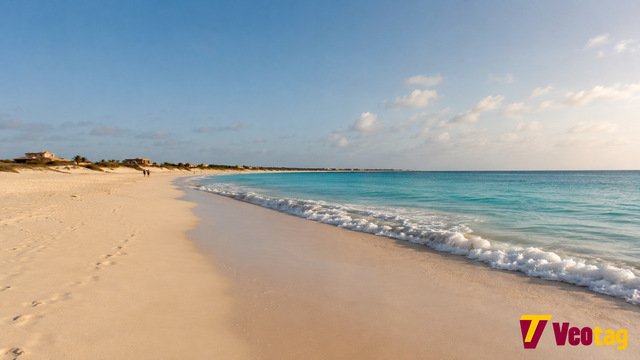
When I wanted the pace to become slower again, I would choose Boa Vista.
The island has around 55 kilometers of pale sandy coastline according to the country’s tourism authority, and beaches are a major part of its appeal.
Boa Vista feels suited to travelers who want space.
Rather than moving from attraction to attraction, I would give myself a full day for the beach, swimming when conditions allowed and walking along the sand later in the afternoon.
This is also where I would plan excursions carefully. Cape Verde’s Atlantic setting means sea conditions can vary, so local advice matters for swimming and water activities.
13. Try Kitesurfing, Windsurfing or Surfing
Cape Verde’s wind and Atlantic exposure make water sports an important part of the experience.
Sal and São Vicente both offer opportunities for activities such as windsurfing, kitesurfing and surfing. The official climate guide notes that December through March is particularly suitable when travelers want wind-dependent sports such as kitesurfing.
Beginners should use a reputable local school rather than simply renting equipment.
I would also avoid assuming that calm-looking water means easy conditions. Wind, currents and waves vary between beaches.
14. Eat Cachupa
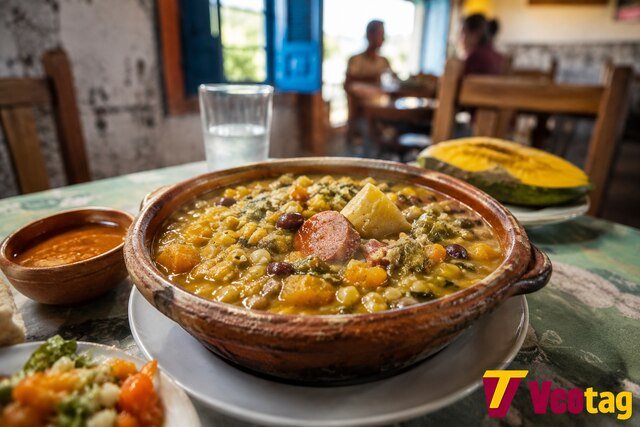
Food became another way of understanding the islands.
The dish I would put first is cachupa, Cape Verde’s best-known traditional meal.
At its base are maize and beans, with vegetables and other ingredients changing according to the version. Cachupa rica can include several meats or fish, while cachupa guisada is a reheated or fried version commonly eaten at breakfast, often accompanied by egg.
Cape Verdean cooking reflects several historical influences, particularly West African and Portuguese traditions. Fish and seafood are also important across the islands.
I would make a point of eating beyond hotel buffets whenever practical. A trip through Cape Verde makes much more sense when its food is experienced alongside its landscapes.
15. Try Fresh Fish and Local Produce
Fish is another meal I would prioritize.
Depending on the island and availability, local cooking commonly features grilled or stewed fish and seafood. Sal’s tourism information, for example, highlights tuna, swordfish, marlin, grouper, moray eel, octopus and lobster among foods found in the island’s cuisine.
I would ask what is fresh rather than arriving determined to order one exact species.
Goat cheese is another local product worth looking for, while coffee is produced on islands including Santo Antão, Santiago and Fogo.
Which Cape Verde Island Should You Choose?
The biggest mistake I would avoid is choosing an island simply because the flight or package holiday is cheapest.
Each island serves a different kind of traveler.
| Island | Best for | Experiences I would prioritize |
| Sal | First trip, beaches, water sports | Santa Maria, Pedra de Lume, Buracona |
| Boa Vista | Quiet beach holiday | Long beaches, swimming, slow days |
| Santo Antão | Hiking and scenery | Paul Valley, Cova, Ponta do Sol |
| São Vicente | Music and culture | Mindelo, Laginha, markets, live music |
| Fogo | Adventure and geology | Pico do Fogo, Chã das Caldeiras |
| Santiago | History and local culture | Praia, Cidade Velha, markets |
If beaches were my main priority, I would choose Sal or Boa Vista.
If hiking mattered most, I would choose Santo Antão.
For culture and music, I would favor São Vicente.
For volcanoes and adventure, Fogo would be difficult to beat.
For history, urban life and a broader cultural experience, I would put Santiago high on the list.
How I Would Combine the Islands
For a short first visit, I would resist trying to collect too many islands.
A more satisfying approach would be to combine experiences that contrast with each other.
For example, São Vicente + Santo Antão works naturally because Mindelo provides culture and music while Santo Antão provides hiking and mountain landscapes. São Vicente’s tourism authority specifically presents Santo Antão as an easy neighboring excursion by ferry.
A longer trip could combine Santiago + Fogo, giving you historic sites, city life and volcanic scenery.
Travelers mainly interested in relaxation could simply stay on Sal or Boa Vista and use day excursions to add variety.
Inter-island transport includes flights and ferries, but connections require more planning than travel within a single island.
Best Time to Visit Cape Verde
There is no single perfect month because the right season depends on what you want to do.
November to July is the long dry season and generally works well for beaches and outdoor activities. August to October brings the wetter and hotter period, when mountainous islands can become greener. Average daytime temperatures across the country generally range from about 24°C to 28°C.
For hiking, I would consider both heat and trail conditions.
For kitesurfing and other wind-based sports, December to March is particularly attractive.
There is another seasonal detail worth knowing. Between roughly December and February, Saharan dust can sometimes produce dry haze known locally as Harmatão or dry mist. When strong, it can reduce visibility and occasionally affect aviation or small-boat navigation.
Mistakes I Would Avoid in Cape Verde
The first mistake would be staying inside a resort for the entire holiday. Cape Verde’s beaches are excellent, but they represent only one part of the country.
The second would be trying to visit too many islands. Because the archipelago is geographically spread out, every island change uses valuable travel time.
I would also avoid treating Santo Antão hiking as casual sightseeing. Good shoes, water and realistic fitness expectations matter.
On Fogo, I would treat volcano hikes as mountain activities and check current local guidance before setting out.
Finally, I would leave some flexibility around flights, ferries and sea-based excursions. Atlantic weather, wind and visibility can affect transport conditions, particularly when dry Saharan haze occurs.
Final Thoughts: Is Cape Verde Worth Visiting?
What makes Cape Verde worth the journey is not one famous attraction. It is the contrast between the islands.
One day can be about pale sand and warm Atlantic light on Sal. Another can take you through the green mountain valleys of Santo Antão. Mindelo introduces music and urban culture. Fogo changes the scenery again with black volcanic ground and the enormous cone of Pico do Fogo. Santiago adds a deeper historical layer through Praia and Cidade Velha.
That is how I would experience Cape Verde.
I would travel slowly, choose islands based on what I genuinely enjoy, eat local food whenever possible and leave enough time for places that were never meant to be rushed.
If I had to give a first-time traveler only one recommendation, it would be this: combine the coast with at least one experience that takes you beyond the beach. That is where Cape Verde starts to reveal how varied these Atlantic islands really are.
FAQ’s
My priorities would be swimming at Santa Maria, visiting Pedra de Lume, hiking Santo Antão, exploring Mindelo, listening to morna, climbing or exploring around Pico do Fogo, visiting UNESCO-listed Cidade Velha, relaxing on Boa Vista and trying cachupa.
It depends on your interests. Santiago offers a strong mix of history, city life and culture, while São Vicente combined with Santo Antão gives travelers an excellent mix of music, beaches and hiking.
No. That was the biggest misconception I would avoid. Cape Verde also offers volcanic hiking, mountain valleys, historic sites, Creole culture, music, markets, local food and water sports. The country’s official tourism platform groups experiences around nature, heritage, beaches, viewpoints, traditions and water activities.
Around one week works for exploring one island properly or combining two closely connected islands. Ten days to two weeks gives much more room for an island-hopping trip without spending too much of the holiday in transit.
Yes, especially for hikers. Its valleys, steep mountains, agricultural landscapes and routes around Paul, Cova, Ribeira Grande and Ponta do Sol make it one of the strongest nature destinations in the archipelago.
I would begin with cachupa, then try fresh fish, seafood, goat cheese and locally grown coffee where available. Cape Verdean cuisine reflects the islands’ African and Portuguese cultural history.


