







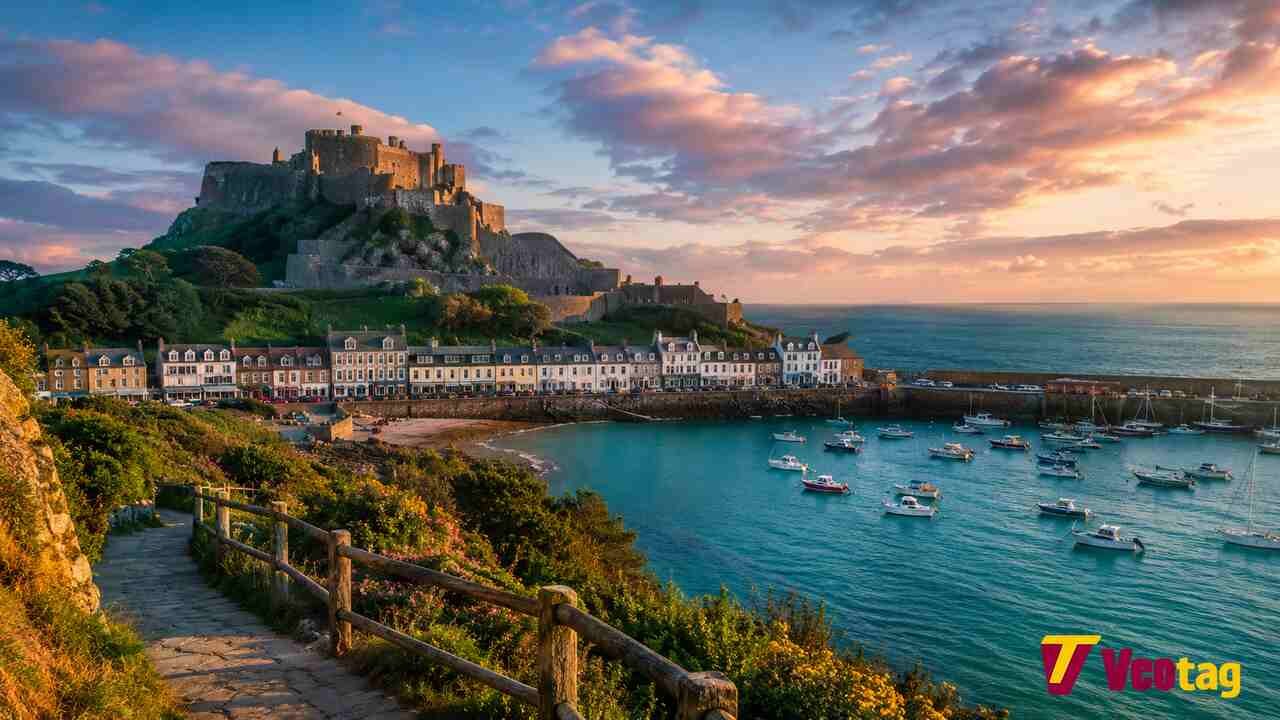
Jersey surprised me because so much is packed into such a small island. At roughly nine miles by five miles, it looks tiny on a map, yet the experience changes quickly as you move from St. Helier to wide Atlantic beaches, medieval castles, quiet country lanes, wartime tunnels, fishing harbours, and high coastal paths.
I approached Jersey as a journey rather than a checklist. I spent time understanding St. Helier first, followed the coast west toward St. Ouen’s Bay and La Corbière, explored the island’s wartime history, and continued east toward Gorey and Mont Orgueil Castle.
What became clear was that the best things to do in Jersey are not limited to traditional attractions. The tides, beaches, coastal walks, seafood, Jersey dairy, castles, and traces of the German Occupation are all part of understanding the island.
Starting in St. Helier
St. Helier is the natural place to begin exploring Jersey. It is the island’s main town and the place where shopping streets, restaurants, buses, markets, and the waterfront come together.
I started by exploring the centre and waterfront instead of heading straight for the beaches. This helped put the rest of Jersey into context. The island has strong connections with Britain, but its closeness to France and its Norman history give it a character of its own.
St. Helier is also a practical base if you are visiting without a car. Many journeys around Jersey begin here, so staying centrally makes exploring the rest of the island easier.
1. Explore Elizabeth Castle

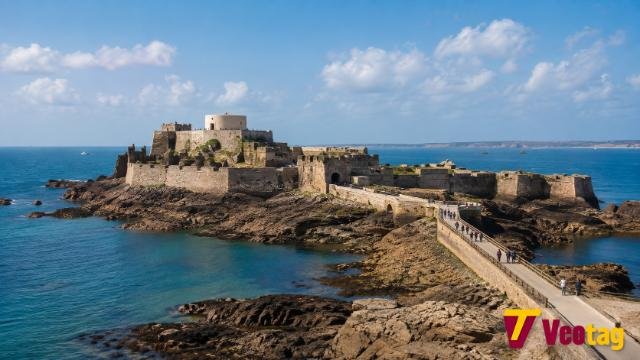
One of the first major sights near St. Helier is Elizabeth Castle, a historic fortress standing offshore from the town.
The setting is a major part of the experience. Jersey’s large tides constantly change the relationship between land and sea, so this part of the coastline can look completely different within the same day.
Elizabeth Castle covers around 400 years of Jersey’s history. Instead of treating it as a quick photo stop, I recommend giving the castle a good part of the morning.
The important lesson here is simple: always check the tides when exploring Jersey’s causeways, beaches, offshore towers, and coastal attractions.
2. Discover Jersey’s Occupation History at the War Tunnels
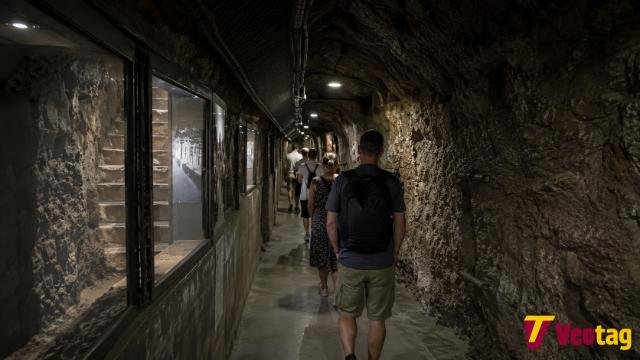
The Jersey War Tunnels are among the most important places to visit if you want to understand the island beyond its beaches and coastal scenery.
The Channel Islands were the only part of the British Isles occupied by German forces during World War II. Jersey still contains bunkers, defensive structures, tunnels, and other remains from those years. The German Occupation ended on 9 May 1945, a date now remembered in Jersey as Liberation Day.
The Jersey War Tunnels take visitors underground into a large tunnel complex built during the Occupation using forced and slave labour. Part of the complex was converted into an underground hospital.
This is not an attraction to rush.
I recommend giving yourself enough time to read the displays and understand the human stories connected with the tunnels. Visiting the museum early in the trip also helps explain the bunkers and concrete structures you may notice later around Jersey’s coastline.
3. Experience the Atlantic Coast at St. Ouen’s Bay
After the enclosed atmosphere of the tunnels, Jersey’s west coast feels completely different.
St. Ouen’s Bay is where the landscape suddenly opens up. Sand, sea, sky, and Atlantic waves dominate the view.
This is one of the best places in Jersey for a long beach walk. Surfing is also closely associated with this side of the island because the bay faces the Atlantic.
I recommend leaving enough time to slow down here. Walking beside the water, watching surfers, sitting near the beach, or simply seeing the changing light can easily fill an afternoon.
Jersey has more than 20 beaches, and its large tidal range means the coastline changes dramatically during the day. A huge stretch of sand visible at low tide can look very different several hours later.
4. See La Corbière Lighthouse at Sunset

From St. Ouen’s Bay, continuing south toward La Corbière creates a natural coastal route.
The white lighthouse stands beyond Jersey’s south-western coast among dark rocks and open water. A causeway connects the lighthouse with the shore when tidal conditions allow access.
Late afternoon is my favorite time for this part of Jersey. The western location makes La Corbière especially attractive as daylight begins to soften.
The lighthouse itself is only part of the experience. The rocky coastline, open Atlantic views, changing tide, and evening sky create the real atmosphere.
Always check tide conditions before walking onto the causeway. Jersey’s tides are beautiful, but they need to be taken seriously.
Even when the causeway is inaccessible, the lighthouse and surrounding coastline remain worth seeing from land.
5. Walk Jersey’s Coastal Paths
One mistake to avoid in Jersey is spending the entire trip moving between paid attractions.
Some of the island’s strongest experiences cost nothing.
Jersey has miles of coastline, with walking routes connecting cliffs, bays, beaches, headlands, and small settlements. The north coast is especially rewarding when you want to see a quieter and more rugged side of the island.
Instead of trying to cover a huge distance, I recommend choosing a manageable section.
I found that coastal walking becomes much more enjoyable when there is enough time to stop at viewpoints, look down into small bays, take photographs, and simply enjoy the landscape.
Good walking shoes are useful because some coastal paths are rougher than normal town streets.
6. Explore Mont Orgueil Castle
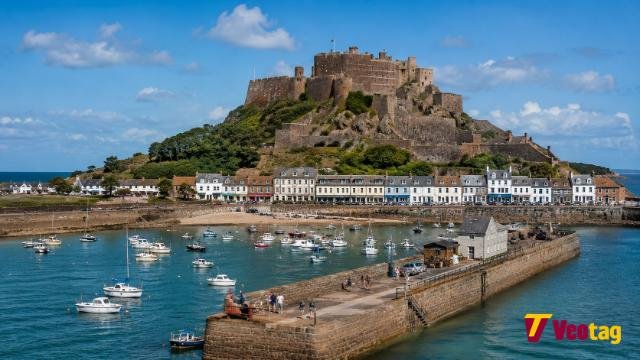
The journey east changes the atmosphere again.
Mont Orgueil Castle rises above Gorey Harbour and is one of Jersey’s most impressive historic landmarks. The castle has protected this part of the island for centuries, and its position overlooking the coast makes its defensive purpose easy to understand.
I recommend exploring the castle before spending time around Gorey.
Inside, stairways, rooms, towers, defensive walls, and viewpoints turn the visit into much more than a quick walk around an old building.
The views are another major reason to visit. From the higher parts of Mont Orgueil, Jersey’s east coast stretches below, while France lies across the water.
Give the castle several hours rather than squeezing it into the final part of a busy sightseeing day
7. Slow Down Around Gorey Harbour
After exploring Mont Orgueil, I stayed focused on Gorey rather than immediately moving to another attraction.
That slower pace suits the area.
Castle views, boats, waterfront buildings, cafés, and the changing tide create a relaxed setting after several hours of sightseeing.
Gorey also makes Jersey’s relationship with the sea easy to understand. Fishing and seafood are closely connected with island life, so this is a good part of Jersey to stop for lunch or dinner.
On a clear evening, spending extra time beside the harbour is more rewarding than racing back to St. Helier.
8. Visit Jersey Zoo
Jersey Zoo offers a completely different experience from castles, beaches, and military history.
Conservationist and author Gerald Durrell founded the zoo in 1959. Today it remains closely connected with wildlife conservation and endangered species.
I recommend allowing several hours here, especially when traveling with children or anyone interested in wildlife and conservation.
It is also useful for adding variety to the trip. After castles, coastal walks, and museums, the green setting of Jersey Zoo creates a completely different experience.
9. Step Into Prehistoric Jersey at La Hougue Bie
Jersey’s history goes back much further than its medieval castles or World War II sites.
La Hougue Bie contains one of Europe’s important Neolithic passage graves. The monument dates back thousands of years and provides a very different view of Jersey’s past.
This was one of the most interesting discoveries when putting Jersey’s history together. Within a small island, travelers can move from prehistoric remains to medieval fortifications and then to twentieth-century Occupation sites.
History lovers should make space for La Hougue Bie rather than focusing only on Jersey’s castles.
10. Experience Jersey’s Huge Tides
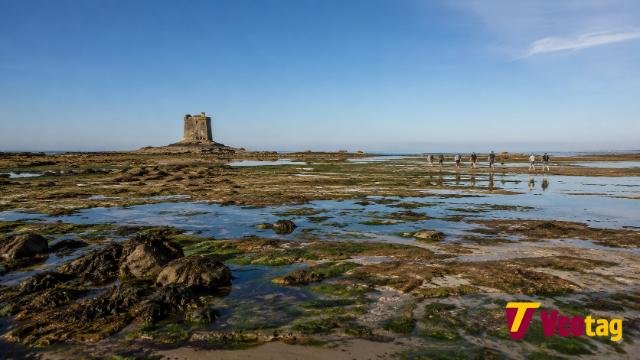
One of the most unusual things to experience in Jersey is not a normal tourist attraction.
It is the tide itself.
At low tide, enormous areas of seabed become exposed around parts of the island. Offshore towers that appear surrounded by water at high tide can suddenly seem connected to the land.
Seymour Tower is a famous example.
Guided walks across Jersey’s intertidal landscape offer a safer and more informative way to explore this environment.
I strongly recommend joining an experienced local guide instead of walking far offshore independently. The tide can return quickly, and local knowledge matters.
11. Spend Time on Jersey’s Beaches
Jersey’s compact size makes it easy to combine sightseeing with beach time.
Instead of dedicating the entire trip to one beach, I prefer matching different parts of the coast to the weather and activity.
St. Ouen’s Bay is a strong choice for wide Atlantic views, long walks, sunsets, and surfing. Other smaller bays offer a more sheltered coastal experience.
During summer, keeping one afternoon flexible works especially well. If the weather stays clear, spend it on the beach. If rain arrives, switch to an indoor historical attraction or museum.
That flexibility makes exploring Jersey much easier.
12. Taste Jersey’s Local Food

Food deserves its own place in a Jersey trip.
The island is strongly associated with Jersey Royal potatoes, Jersey dairy products, oysters, crab, lobster, and other seafood.
Jersey Royals are small potatoes grown on the island and are one of its best-known foods. The famous Jersey cattle also produce particularly rich milk, which makes local cream, butter, and ice cream worth trying.
For meals, I recommend looking for menus that use seasonal Jersey produce rather than choosing restaurants only because they appear on tourist lists.
Seafood naturally fits the island experience. Crab, lobster, oysters, and locally caught fish connect the meal directly with Jersey’s coastal setting.
13. Look for Jersey’s Wartime Remains Along the Coast
The War Tunnels tell the Occupation story formally, but evidence from that period appears across Jersey.
German bunkers, defensive positions, concrete structures, and fortifications remain in different coastal areas.
After learning about the Occupation, these structures become much easier to understand.
That is one reason I recommend visiting the Jersey War Tunnels near the beginning of the trip. The museum provides context that makes later coastal exploration more meaningful.
14. Take a Boat Trip Around Jersey
Seeing Jersey from the water provides another perspective on the island.
Boat and RIB trips operate around the coastline and toward offshore reefs and neighboring islands. Depending on the route and conditions, marine wildlife can also be part of the experience.
This activity works best when weather and sea conditions are good.
On a calm day, seeing Jersey’s cliffs, bays, rocky coastline, and offshore features from the sea adds something completely different to the trip.
15. Leave Space to Slow Down
This may sound unusual in a guide about things to do in Jersey, but it matters.
Jersey is small enough to encourage overplanning. Looking at the map creates the temptation to fit almost every attraction into a short visit.
Avoid that mistake.
Leave time for sitting beside Gorey Harbour, walking along the coast without rushing, watching sunset around La Corbière, or enjoying a long lunch.
Jersey becomes more enjoyable when every hour is not filled with another attraction.
A Simple Three-Day Jersey Route
| Day | Morning | Afternoon | Evening |
| Day 1 | St. Helier and Elizabeth Castle | Jersey War Tunnels | St. Ouen’s Bay and La Corbière |
| Day 2 | Mont Orgueil Castle | Gorey and east coast | Seafood dinner near the coast |
| Day 3 | Jersey Zoo or La Hougue Bie | Coastal walk or guided tidal experience | Relax in St. Helier or beside the sea |
Treat this as a flexible route rather than a strict timetable. Weather and tides often determine which outdoor activity works best.
Getting Around Jersey
Jersey is only around nine miles long and five miles wide, which makes exploring different parts of the island relatively easy.
A car gives you extra freedom for beaches, viewpoints, rural areas, and less central attractions. Public buses also connect St. Helier with many popular parts of Jersey, making a car unnecessary for many visitors.
Walking is excellent for towns, harbours, beaches, and coastal routes. Cycling is another useful option for travelers who want a more active trip.
My main recommendation is to group nearby places together.
For example, combine St. Ouen’s Bay and La Corbière on the same day. Mont Orgueil and Gorey also belong naturally together.
This reduces unnecessary travel across the island.
Best Time to Visit Jersey
Late spring through early autumn is a popular period for Jersey because longer daylight makes beaches, walking, boat trips, and outdoor sightseeing easier.
Summer brings the strongest beach atmosphere, but popular coastal areas also become busier.
Spring and early autumn suit travelers who care more about walking, history, scenery, and quieter sightseeing.
Pack layers even during warmer months. Coastal conditions can change quickly, and wind can make the temperature feel cooler near exposed parts of the island.
Mistakes to Avoid in Jersey
The first mistake is trying to see everything simply because Jersey looks small on a map. Short distances do not mean every attraction deserves only a short visit.
The second mistake is ignoring tide times. Tides affect beaches, causeways, offshore towers, and coastal walks.
Another mistake is spending the entire trip at indoor attractions. Jersey’s history is fascinating, but its coastline is equally important.
I also recommend avoiding an overloaded schedule. Three relaxed days often create a better experience than three days spent racing from one attraction to another.
FAQ’s
Start with Mont Orgueil Castle, La Corbière Lighthouse, Jersey War Tunnels, St. Ouen’s Bay, St. Helier, and at least one coastal walk. Together, these places provide a good introduction to Jersey’s history, landscape, and island culture.
Three days cover many of the main highlights at a comfortable pace. Four or five days give you more time for beaches, longer walks, Jersey Zoo, La Hougue Bie, boat trips, and slower coastal exploration.
Yes. Jersey’s small size and bus network make car-free travel practical, especially when staying in or near St. Helier.
Jersey is famous for its large tides, beaches, Jersey cattle and dairy products, Jersey Royal potatoes, seafood, medieval castles, and World War II Occupation history.
No. Jersey is a self-governing Crown Dependency. It is not part of the United Kingdom, although it has close historical and cultural links with Britain.
Yes. A weekend gives enough time for St. Helier, one or two major historical attractions, and part of the coastline. Staying for three or four days creates a more relaxed experience.
Final Thoughts
What stands out most about Jersey is the contrast.
One part of the day can take you underground into the difficult history of the German Occupation. A few hours later, you can stand beside the Atlantic at St. Ouen’s Bay. The next morning can begin inside a medieval castle above Gorey and finish beside the sea.
The island’s small size makes these changes possible.
But Jersey is best enjoyed slowly.
Give Mont Orgueil time. Understand the story behind the War Tunnels. Check the tides before exploring the coast. Walk part of the island instead of seeing everything through a car window. Taste Jersey Royals and local seafood. Stay around La Corbière long enough to watch the evening light change.
Most importantly, leave some empty space in the trip.
That is when Jersey stops feeling like a collection of attractions and starts feeling like an island with its own story.


