







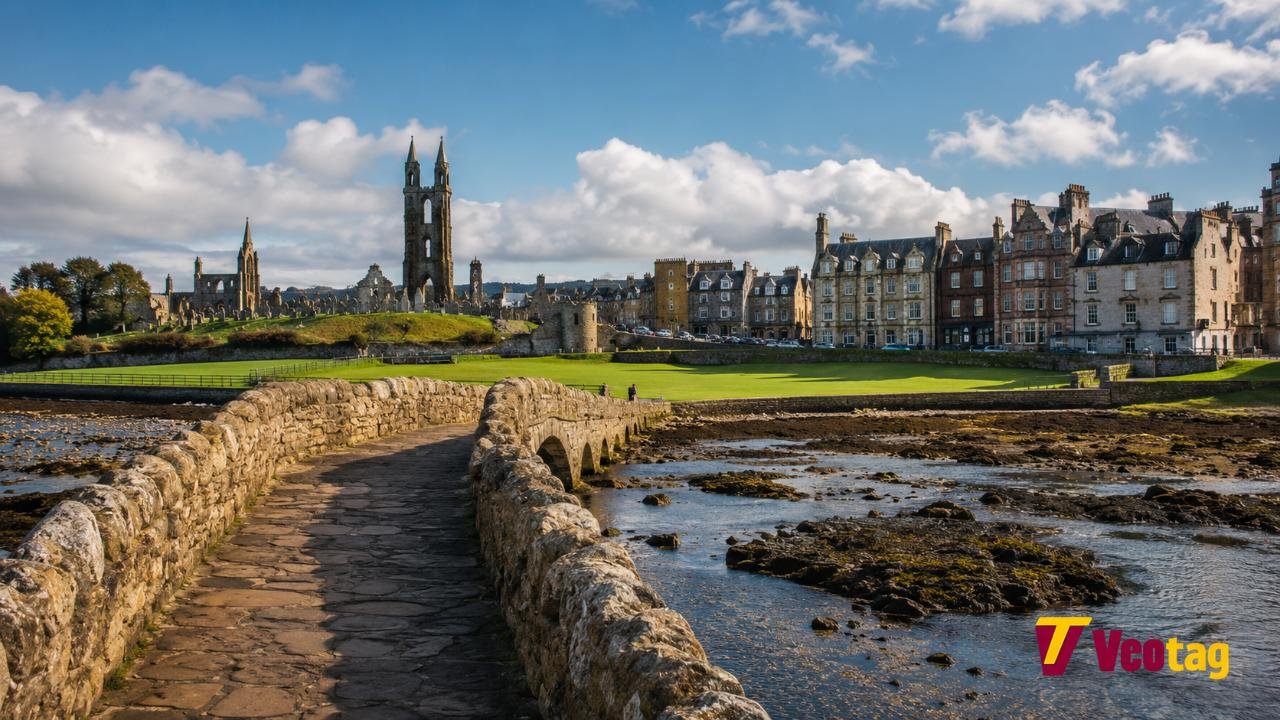
St Andrews surprised me because golf was only one part of its appeal. The Old Course may have made this small Scottish town famous around the world, but the medieval ruins, university buildings, beaches, narrow streets, and North Sea coastline give travelers many more reasons to explore.
The best way I found to understand St Andrews was on foot. The historic centre is compact, and many of the main attractions sit close together. A walk can take you from the Old Course to West Sands, through old university streets, past St Andrews Castle, and on to the huge ruins of St Andrews Cathedral.
That mix of history, sea, university life, walking, and golf is what makes St Andrews different from a typical Scottish day-trip destination.
Arriving in St Andrews and Getting My Bearings
St Andrews sits on the east coast of Fife, facing the North Sea. One important detail became clear before exploring the town: St Andrews has no railway station.
Leuchars is the nearby railway station commonly used by train travelers. From there, buses and taxis connect with St Andrews.
Once I reached the centre, walking became the easiest way to understand the town.
North Street, Market Street, and South Street form useful routes through the historic centre. The Old Course and West Sands lie toward the western side. The Scores follows the northern edge of town and leads toward university buildings, St Andrews Castle, and the cathedral.
The distances between many major sights are short, so I found little need for transport once sightseeing began.
1. Walk Around the Old Course


I started with the place that gives St Andrews much of its international identity: the Old Course.
Even without a strong interest in golf, this part of town is worth exploring. It does not feel completely separated from St Andrews like a modern sports stadium. The golf links, historic buildings, walking areas, nearby streets, and coast all seem connected.
St Andrews is widely known as the Home of Golf, and the Old Course remains at the centre of that history.
The famous Swilcan Bridge is one of the most recognizable sights on the course. Nearby, the Royal and Ancient clubhouse adds to the classic St Andrews scene seen in golf photographs around the world.
I spent time simply looking across the links and walking around the surrounding area. That gave me a much better sense of the Old Course than treating it as another landmark for a quick photograph.
My main recommendation for non-golfers is simple: do not skip the Old Course just because you do not play golf.
The landscape and history still make it an important part of the St Andrews experience.
2. Walk Along West Sands Beach
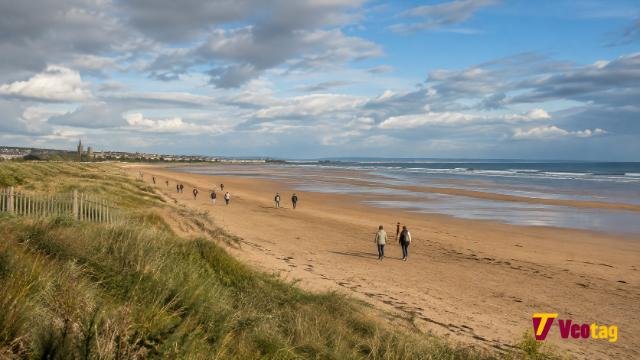
From the golf course, I continued toward West Sands Beach.
This was where St Andrews suddenly felt much larger.
The historic centre is compact, but West Sands opens onto a huge landscape of sand, dunes, sea, and sky. The atmosphere changes quickly. One moment I was beside one of the world’s most famous golf courses, and soon after I was looking across a wide North Sea beach.
It became one of my favorite places for a longer walk.
Weather makes a big difference here. Bright weather creates beautiful open coastal views, while wind coming from the North Sea can make the beach feel much colder.
I recommend keeping a light waterproof jacket nearby even when the weather looks reasonable in town.
Travelers interested in longer walks can also explore sections of the Fife Coastal Path, which passes through this part of Scotland.
3. Explore the University of St Andrews Quarter
Walking back toward the old centre revealed another major part of the town’s identity.
St Andrews is very much a university town.
The University of St Andrews dates from 1413, making it Scotland’s oldest university. Its buildings are spread through the historic centre instead of sitting inside one separate modern campus.
That arrangement gives the streets a distinctive character.
I explored North Street and The Scores rather than searching for one single university attraction. Historic academic buildings, courtyards, old stone architecture, and student life all form part of the experience.
This also explains why St Andrews feels lively despite its small size.
The town has centuries of history, but it does not feel like an open-air museum. Students still study, live, eat, and meet friends among the historic buildings.
I recommend leaving some free time simply to walk through this area without following a strict sightseeing schedule.
4. Visit the Wardlaw Museum
The Wardlaw Museum provides a useful introduction to the history of the University of St Andrews.
It sits on The Scores, so it fits naturally into a walking route between the university area and St Andrews Castle.
Admission is free according to current university visitor information, making this an easy attraction to add without increasing the sightseeing budget.
I especially recommend keeping the museum in mind when rain interrupts an outdoor plan.
Scottish coastal weather can change quickly, and having an interesting indoor attraction nearby makes it easier to adjust the day without wasting time.
The museum also adds context to the university buildings outside. After learning more about the university, the surrounding streets start to make more sense.
5. Explore St Andrews Castle

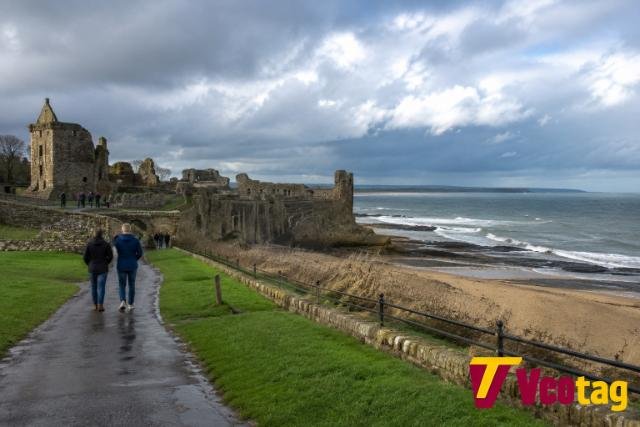
Continuing along The Scores brought me to one of the most striking locations in town: St Andrews Castle.
Its position immediately stood out.
The medieval ruins sit beside the coast, with the North Sea forming part of the background.
The castle has a long and complicated history connected with bishops, political conflict, imprisonment, and the Scottish Reformation.
Among its most unusual surviving features are the underground mine and countermine created during a 16th-century siege. The site also contains the famous rock-cut bottle dungeon.
These details made the castle much more interesting than simply looking at ruined walls from outside.
I recommend allowing about an hour for the site instead of treating it as a quick photography stop.
The coastal position also makes the surrounding walk worthwhile. Looking from the old stone ruins toward the sea captures something essential about St Andrews: history and coastline constantly meet here.
6. See the Ruins of St Andrews Cathedral

From the castle, I continued east toward St Andrews Cathedral.
This became one of the strongest historic experiences of the trip.
The scale surprised me.
St Andrews Cathedral was once the largest church in Scotland, and its surviving ruins still show how important the site once was.
Instead of entering one complete building, I walked through an open landscape filled with medieval walls, towers, graves, and stretches of grass. The missing sections almost make the scale more interesting because you have to imagine how the complete cathedral once looked.
I recommend taking time here.
A rushed walk misses much of the atmosphere. Exploring the grounds slowly makes it easier to notice the relationship between the ruins, graveyard, town, and sea.
When access conditions permit, St Rule’s Tower also provides elevated views over St Andrews and the surrounding landscape.
This part of town felt especially suited to the late afternoon, when changing light gave the old stone much more texture.
7. Walk Down to St Andrews Harbour
After exploring the cathedral, I headed toward the water.
The harbour showed me a quieter side of St Andrews.
The western part of town is closely associated with golf and West Sands, while this eastern side feels more connected to the older coastal character of St Andrews.
The harbour is small enough to explore without needing much time.
I enjoyed it most as part of the walking route rather than as a separate attraction.
Cathedral → harbour → East Sands creates a simple and logical route with very little backtracking.
This section also makes the town’s geography much clearer. St Andrews is not simply a historic university town with a beach nearby. The sea has always been part of its identity.
8. Continue Along East Sands
From the harbour, I continued onto East Sands.
West Sands receives more attention because of its size and its connection with the Old Course, but East Sands fits naturally into a walk around the cathedral and harbour.
The two beaches offer different experiences.
For the classic wide-open St Andrews coastal landscape, West Sands is my first choice.
For a beach connected directly with the cathedral and harbour side of town, East Sands makes more sense.
I found that combining both beaches also prevented the trip from becoming too focused on historic buildings.
After hours of stone walls, university streets, and ruins, walking beside the water gave the day a completely different rhythm.
9. Wander Through North Street, Market Street, and South Street
Some of my most enjoyable time in St Andrews involved no attraction at all.
I simply walked.
North Street, Market Street, and South Street form the heart of the historic centre.
Moving between them revealed stone buildings, university spaces, cafés, pubs, restaurants, independent shops, and everyday student life.
Market Street has plenty of activity and food options. North Street connects naturally with the university and historic sights. South Street provides another attractive route through the centre.
The short distances make exploring easy.
I recommend resisting the temptation to create an hour-by-hour schedule.
St Andrews rewards wandering.
A small lane, old university building, bakery window, quiet courtyard, or unexpected view toward the sea can easily become part of the experience.
10. Try Fish and Chips
After spending hours walking near the coast, fish and chips felt like a natural meal to include.
Fish and chips is a simple British dish made from battered fried fish served with thick-cut fried potatoes.
There are several seafood and casual dining choices around central St Andrews, particularly near Market Street and the coastal areas.
For a simple meal, Tailend Restaurant and Fish Bar is a well-known central option for fish and seafood.
Travelers looking for a more formal seafood meal can also check The Seafood Ristorante, which occupies a striking position near the waterfront and Old Course area.
For Scottish-style dining in the centre, Forgan’s St Andrews and The Bothy St Andrews are other options to check.
I recommend looking at current menus before choosing because restaurant opening times, prices, and menus can change.
For an important dinner, booking ahead is also sensible during busy weekends and popular travel periods.
11. Stop for Ice Cream at Jannettas

Another St Andrews food stop that fits easily into a walking day is Jannettas Gelateria on South Street.
I like adding small food stops between major attractions because they make a trip feel less like a sightseeing checklist.
South Street also works naturally when walking back into the centre after spending time around the cathedral.
Instead of planning every meal as a major restaurant experience, I recommend leaving space for cafés, bakeries, ice cream, and simple local stops along the way.
12. Visit St Andrews Botanic Garden
After medieval ruins and historic streets, St Andrews Botanic Garden offers a different environment.
The garden covers about 18 acres and includes woodland areas, ponds, meadows, and plant collections.
It is also close enough to central St Andrews to fit into a sightseeing day without a long journey.
I recommend it most for travelers spending at least two days in town.
With only one day, the Old Course, beaches, castle, cathedral, and historic centre take priority.
With more time, the Botanic Garden provides a peaceful break from the main tourist route.
Because opening times and weather-related closures can change, checking the garden’s official visitor information before setting out is important.
13. Learn More About the History of Golf
Golf fans can go much deeper than photographing the Old Course.
The golf museum near the Old Course explores the history and development of the game.
I recommend combining the museum and Old Course during the same part of the day.
That keeps the experience connected geographically and historically.
First, learn why St Andrews became so important to golf. Then step outside and see the links landscape itself.
Serious golfers can easily spend much longer on this side of town.
For everyone else, a walk around the Old Course, a look at the Swilcan Bridge area, and some time near West Sands gives a good introduction without allowing golf to take over the entire visit.
14. Walk Part of the Fife Coastal Path
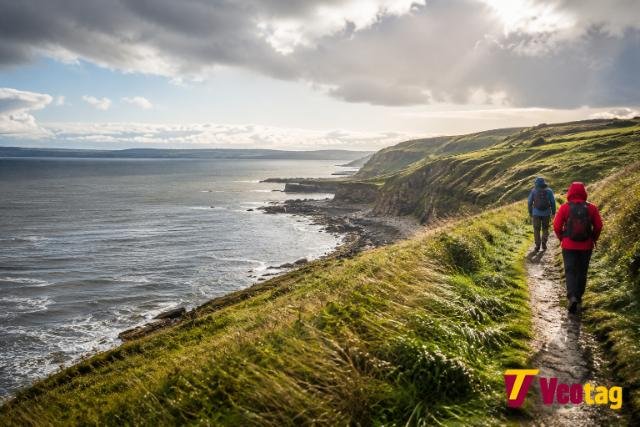
Travelers who enjoy walking can extend the St Andrews experience onto the Fife Coastal Path.
The complete path covers around 117 miles or 188 kilometres, but there is no need to tackle the whole route.
A shorter section near St Andrews is enough to experience the coastal landscape.
The attraction here is not a single landmark.
It is the combination of sea views, cliffs, beaches, open countryside, changing weather, and small coastal settlements.
I recommend proper walking shoes and a waterproof layer. Coastal wind can make conditions feel colder than expected.
15. Explore the East Neuk of Fife
With an extra day, I recommend exploring beyond St Andrews.
The East Neuk of Fife contains small coastal villages, harbours, beaches, and fishing communities.
Crail is one of the places I prioritize.
Its stone buildings and small historic harbour create a very different atmosphere from St Andrews while still feeling connected to the wider Fife coast.
St Monans is another attractive coastal stop, while Elie is known for its beaches.
Travelers interested in whisky can also check tours and current visitor information at Kingsbarns Distillery, located in the wider area near St Andrews.
This extra day adds important context to the trip.
St Andrews is the major destination, but exploring part of the surrounding Fife coastline shows that the town belongs to a much larger coastal landscape.
My One-Day St Andrews Route
With one full day, I recommend starting around the Old Course.
I explored the links area first, continued toward West Sands, and then returned toward the historic centre.
From there, The Scores created a natural route past university buildings toward St Andrews Castle.
The cathedral came next, followed by the harbour and East Sands.
I then returned through South Street and Market Street for food and more time in the centre.
This route covers the four parts of St Andrews that matter most to a first-time visitor:
golf, university life, medieval history, and the coast.
It also keeps unnecessary backtracking to a minimum.
My Two-Day St Andrews Route
Two days create a much more relaxed trip.
I recommend using the first day for the Old Course, West Sands, university quarter, castle, cathedral, harbour, and historic centre.
The second day can begin with the Botanic Garden or a museum.
After lunch, continue onto part of the Fife Coastal Path or travel into the East Neuk.
Golfers can instead dedicate much of the second day to golf-related experiences.
The main benefit of two days is not simply seeing more attractions.
It is having enough time to slow down.
St Andrews feels better when there is space for an unplanned coastal walk, a long lunch, or an hour wandering through old streets.
Best Things to Do in St Andrews by Interest
| If you enjoy… | Prioritize… |
| History | St Andrews Cathedral, St Andrews Castle, university quarter |
| Golf | Old Course, Swilcan Bridge area, golf museum |
| Walking | West Sands, East Sands, Fife Coastal Path |
| Photography | Cathedral, castle coastline, West Sands |
| University history | Wardlaw Museum, North Street, The Scores |
| Nature | Botanic Garden, beaches, coastal path |
| Food | Market Street, seafood, fish and chips, cafés |
| Quiet exploring | Harbour, East Sands, early-morning old town |
| Day trips | Crail and the East Neuk |
Best Time to Visit St Andrews
Late spring through early autumn gives travelers longer daylight for outdoor attractions, beaches, golf, and coastal walks.
Summer brings longer days but also more visitors.
Starting early helps, especially when exploring popular areas around the Old Course and historic centre.
Autumn gives St Andrews a different atmosphere. Cooler air, changing light, darker skies, and old stone buildings suit the town particularly well.
Winter is quieter, but shorter daylight hours and changing weather require more flexibility.
In every season, I recommend carrying a waterproof outer layer.
St Andrews sits beside the North Sea, and wind can change how the temperature feels, especially on West Sands and exposed coastal paths.
Mistakes I Recommend Avoiding
The first mistake is visiting St Andrews only for golf.
The Old Course deserves its international reputation, but the cathedral, castle, university, beaches, harbour, and coastal walks make the town interesting even for travelers who have never played golf.
The second mistake is using transport for every short journey.
Once in central St Andrews, walking connects most of the major sights naturally.
Another mistake is ignoring the weather.
I keep indoor attractions such as the Wardlaw Museum in mind when planning outdoor sightseeing. That makes it easier to change the order of the day if rain arrives.
Finally, avoid rushing.
The compact size can make St Andrews look like a place that needs only a few hours. A full day gives a good introduction, while two days allow the town’s slower character to become much clearer.
FAQ’s
Yes. The cathedral, castle, university, historic centre, beaches, harbour, and coastal scenery provide plenty to experience without playing golf.
Yes. One full day covers the main highlights if you start early and explore mostly on foot. Two days provide a more relaxed experience.
Yes. Many major attractions sit within or close to the historic centre. Comfortable walking shoes help because a full sightseeing day can still involve several hours on foot.
No. Leuchars is the nearby railway station commonly used for journeys to St Andrews. Bus and taxi connections run between Leuchars and the town.
Indoor attractions such as the Wardlaw Museum and golf-related museums work well during wet periods. Cafés and restaurants also provide easy breaks until conditions improve.
One full day covers the essential sights. Two days are better for beaches, museums, longer walks, and a slower pace. A third day becomes useful when adding the East Neuk of Fife or more golf.
Final Thoughts on Things to Do in St Andrews
What stayed with me about St Andrews was how many different experiences fit inside such a small town.
The day could begin beside the Old Course, continue onto the huge open space of West Sands, pass through centuries-old university streets, reach the ruins of a medieval castle and cathedral, and finish beside the harbour or North Sea.
That variety is the real strength of St Andrews.
For a first visit, I recommend prioritizing the Old Course, West Sands, St Andrews Castle, St Andrews Cathedral, the university quarter, and time simply walking through the historic centre.
If I visit again, I’ll spend even more time along the coast.
St Andrews does not need to be rushed. Give it enough time to walk, look around, stop for food, watch the weather move across the sea, and experience the town beyond its famous golf course.
Read Also: Things to Do in Lanzarote: Volcanoes, Beaches, Caves and the Best Island Experiences


