

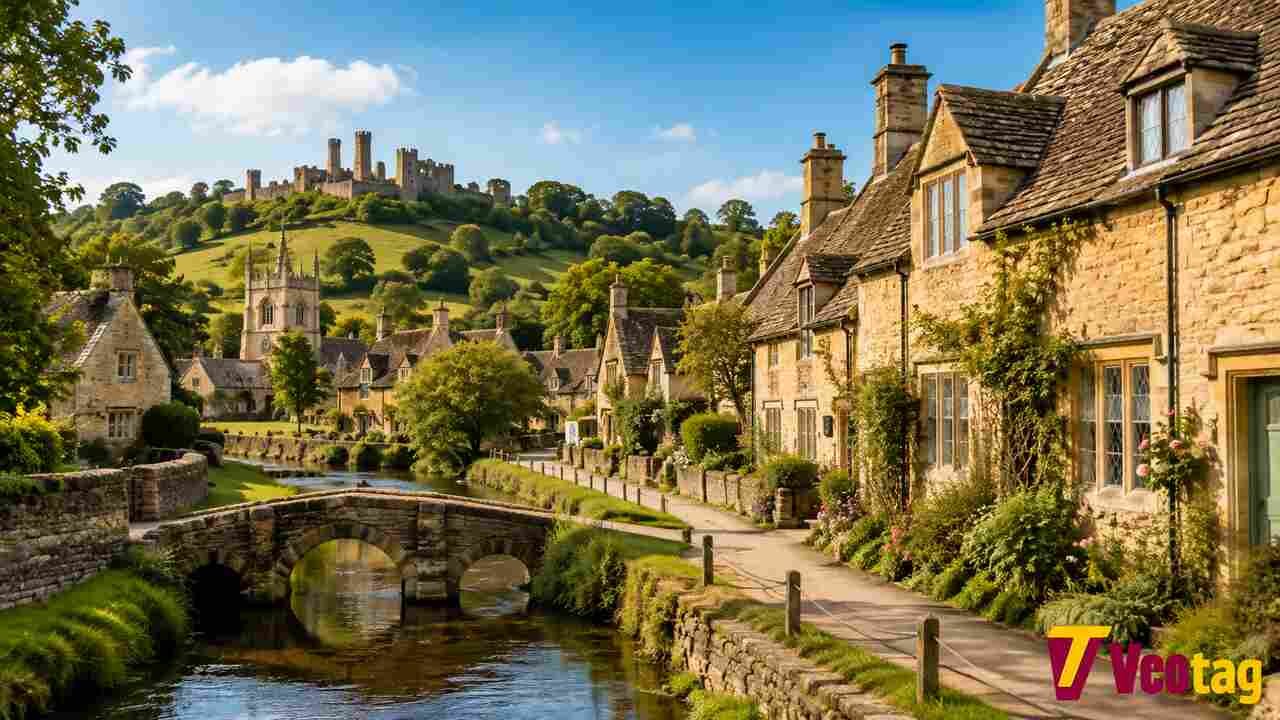
The Cotswolds is not one single town or village. That is one of the most important things to understand before exploring it. This large area spreads across beautiful English countryside, with old market towns, small villages, rolling hills, walking trails, historic houses and traditional pubs.
The best way to experience the Cotswolds is slowly. I like the rhythm of exploring a stone village in the morning, taking a countryside walk before lunch, visiting a historic site or garden in the afternoon, and finishing the day with a relaxed meal.
Trying to see too many villages in one day takes away much of the pleasure.
Arriving in the Cotswolds
I started my Cotswolds journey on a mild late-spring morning, with green fields and long daylight hours creating ideal conditions for exploring.
The countryside revealed itself gradually.
Narrow roads passed between dry-stone walls. Sheep grazed in open fields. Church towers appeared above small villages, and rows of honey-coloured limestone cottages gave the landscape its distinctive character.
Unlike arriving in a major city, there was no single moment when the Cotswolds suddenly appeared. The landscape slowly changed, and that gradual arrival became part of the experience.
One practical detail became clear immediately: distances matter.
The Cotswolds covers a large rural area. A village that looks close on a map can still take time to reach because many local roads are narrow and winding.
I quickly learned not to judge travel time by distance alone.
1. Wander Through Bourton-on-the-Water
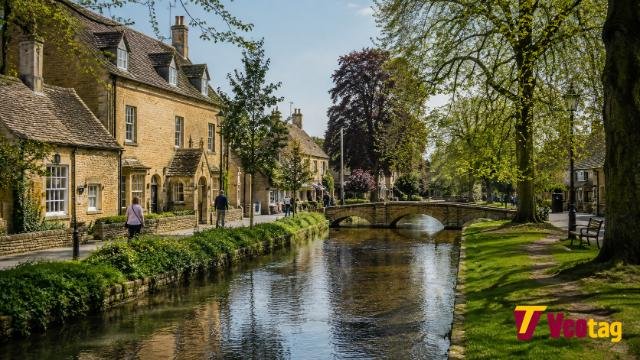
I started with Bourton-on-the-Water, one of the best-known villages in the Cotswolds.
The River Windrush runs directly through the centre, crossed by low stone bridges. Traditional buildings line the water, while cafés, shops and attractions sit within easy walking distance.
The village made more sense when I explored it slowly instead of treating it as one attraction.
I followed the river, crossed the little bridges and wandered into the surrounding streets.
Timing makes a major difference here.
Early morning gives the centre a calmer atmosphere before larger numbers of day visitors arrive. Around the middle of the day, the riverside becomes much busier, especially during weekends and the summer season.
Families can also visit The Model Village or Birdland Park & Gardens.
For a first visit, I recommend allowing around two or three hours if you plan to combine a village walk with an attraction.
2. See Arlington Row in Bibury
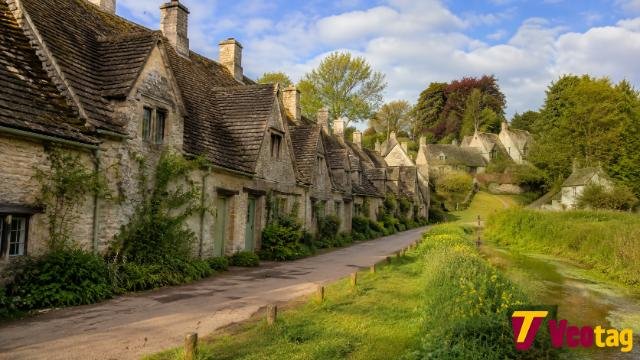
From the busier villages, I moved toward Bibury.
Arlington Row is the scene most travelers recognize. The historic stone cottages stand beside the River Coln and create one of the classic images associated with the Cotswolds.
I recommend arriving early if photography is important.
The area around Arlington Row attracts plenty of visitors, and the atmosphere changes once larger groups begin arriving.
After seeing the cottages, I continued walking rather than immediately returning to the car.
That made the visit more rewarding.
The mistake here is stopping only for a photograph of Arlington Row and then leaving. Bibury deserves a little more time. Walking beside the river and exploring beyond the famous viewpoint gives a better sense of the village.
3. Spend a Morning in Stow-on-the-Wold
Stow-on-the-Wold gave me a different experience.
This is a historic market town rather than a tiny countryside village, so there is more space to wander between shops, cafés, old buildings and the market square.
I spent time exploring the streets around the centre instead of rushing directly toward another village.
That slower pace works well here.
Independent shops and places serving tea or lunch make Stow a convenient stop in the middle of a sightseeing day.
I also recommend looking for St Edward’s Church.
One of its most photographed features is the north doorway, framed by old yew trees. It feels quite different from the open market square only a short walk away.
Stow also works well as a place to stop for food before continuing deeper into the countryside.
4. Walk Through Lower Slaughter
Lower Slaughter became one of the places where slowing down felt especially important.
The River Eye passes through the village, with stone houses, small bridges and green spaces along the water.
There is no need to search for a long list of attractions.
The village itself is the experience.
I walked beside the river and paid more attention to the small details: stone walls, cottage gardens, water moving beneath the bridges and the quiet country lanes leading away from the centre.
This is also a good place to connect village sightseeing with walking.
The Cotswolds has a large network of public footpaths, so spending part of the day on foot adds another side to the trip.
After rain, rural paths can become muddy.
I recommend carrying a light waterproof jacket and wearing shoes with good grip, even when the weather looks comfortable at the start of the day.
5. Explore Broadway and Walk to Broadway Tower
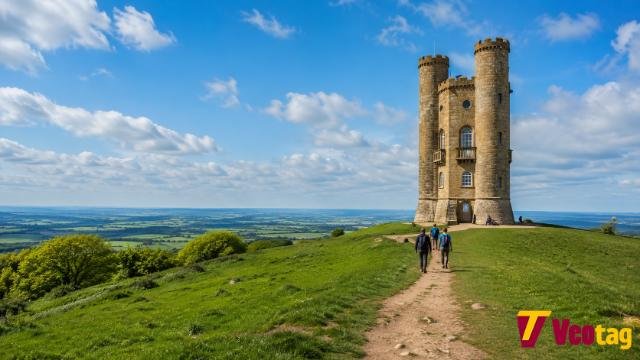
Broadway gave me another classic Cotswolds experience.
Its long main street is lined with honey-coloured buildings, cafés, shops and traditional inns.
Instead of passing through quickly, I spent time walking along the village before heading toward the countryside.
Broadway Tower sits on higher ground outside the village and is one of the area’s most recognizable landmarks.
The walk toward the tower adds much more to the experience than simply seeing it as an isolated attraction.
As the path climbs, the village begins to disappear behind the countryside and wider views open across the surrounding landscape.
This is where I really felt the scale of the Cotswolds.
I recommend combining Broadway village and Broadway Tower rather than treating them as two separate stops.
6. Walk Part of the Cotswold Way
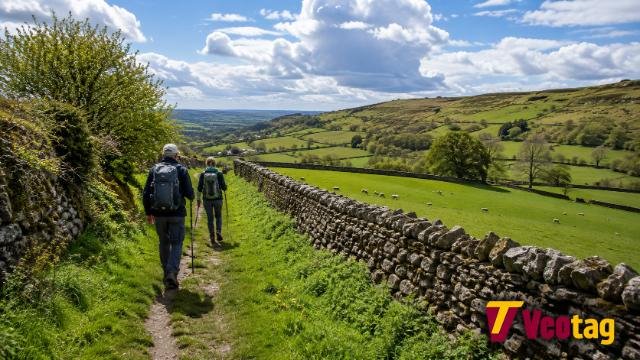
After spending time in several villages, I found that walking gave me a completely different understanding of the region.
The countryside is not simply scenery between attractions.
It is one of the main attractions.
The Cotswold Way is the best-known long-distance trail in the area, but travelers do not need to complete the entire route to enjoy it.
I recommend choosing a manageable section and spending a few hours walking.
The experience changes quickly once you leave the road.
Footpaths pass through fields, woodland and open hills. Dry-stone walls divide the landscape, sheep graze in nearby fields and church towers occasionally appear in the distance.
A short countryside walk also creates a useful break from driving.
I carried water, comfortable walking shoes and a waterproof layer. Those simple items make exploring much easier when the weather changes.
7. Explore Sudeley Castle and Winchcombe
After villages and countryside walks, Sudeley Castle added a deeper historical side to the trip.
The castle stands near Winchcombe and combines historic buildings, ruins and gardens.
One of the most important historical connections here is Katherine Parr, the sixth and final wife of Henry VIII. She lived at Sudeley and is buried at St Mary’s Church within the castle grounds.
I recommend giving Sudeley Castle a proper part of the day.
Trying to squeeze it between several villages makes the visit feel rushed.
The gardens also need time, particularly during warmer months when more plants are in bloom.
After exploring the castle, Winchcombe makes a natural next stop.
Its historic streets, stone buildings and surrounding walking routes give travelers another chance to experience a Cotswolds town without immediately getting back on the road.
8. Discover the Roman History at Chedworth
The Cotswolds is famous for stone cottages, but the region’s history stretches far beyond its medieval villages.
Chedworth Roman Villa offers a very different experience.
I added a historical attraction like this after spending time in several villages because it broke up the trip nicely.
That variety matters.
After seeing several beautiful stone villages, their architectural similarities can begin to blend together. Mixing villages with archaeology, gardens, castles and countryside walks keeps the journey interesting.
Chedworth is especially useful for travelers interested in Roman Britain.
I recommend leaving enough time to explore the site slowly rather than treating it as another quick photograph stop.
9. Spend Time in Burford
Burford is another place I recommend exploring on foot.
The town sits on a hill, with its historic High Street running down toward the River Windrush.
I walked slowly downhill, looking at the old buildings, shops and side streets rather than concentrating only on the main road.
Burford works well as a base or longer stop because it combines Cotswolds character with practical services.
Families can also combine the area with Cotswold Wildlife Park & Gardens.
If visiting both, I recommend giving the wildlife park its own large part of the day instead of trying to squeeze it into a short stop.
10. Explore Cirencester
Cirencester gave me a useful change from the smaller villages.
It is a historic market town with shops, restaurants and strong links to Roman Britain.
The town is also practical for travelers staying several nights because everyday services are easier to find here than in tiny rural villages.
I enjoyed having that contrast.
One day could involve narrow lanes and quiet countryside, while the next morning could start with coffee, shops and historical sights in Cirencester.
The town also makes a useful base for exploring the central and southern parts of the Cotswolds.
11. Stop for a Traditional Pub Meal
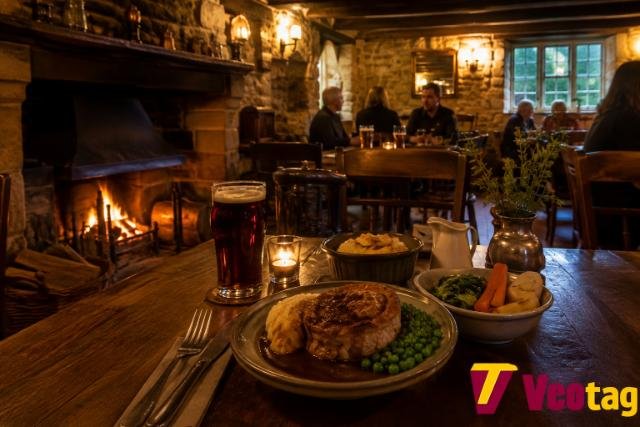
Food became part of the experience rather than something squeezed between attractions.
After walking and driving through the countryside, a long pub meal fitted naturally into the day.
Traditional pubs are found throughout the Cotswolds, often inside old stone buildings.
Menus vary, but travelers can commonly find British pub dishes, seasonal ingredients, Sunday roasts and local produce.
I recommend checking menus, food-serving hours and booking requirements before arriving.
This is especially important on Friday and Saturday evenings and for Sunday lunch.
Rural pubs do not always serve food continuously throughout the day.
That is an easy detail to overlook when planning a busy sightseeing route.
12. Try Cycling, Canoeing or a Local Craft Experience
Not every day needs to focus on historic buildings.
Outdoor activities bring a different rhythm to the trip.
Walking remains one of my favorite ways to explore, but cycling also works well for travelers who want to cover more countryside.
Around Lechlade, canoeing and other water-based activities offer another way to experience the landscape.
Local craft experiences, including pottery, can also provide a break from sightseeing.
I recommend adding one activity during a trip of three days or longer.
Spending an afternoon doing something slowly often creates a stronger memory than adding another four villages to the route.
A Simple Three-Day Cotswolds Route
The most important lesson from planning a Cotswolds route is to group nearby places together.
The region is large, and rural roads often make journeys slower than expected.
| Day | Morning | Afternoon | Evening |
| Day 1 | Bourton-on-the-Water | Lower Slaughter and countryside walk | Stow-on-the-Wold |
| Day 2 | Broadway | Broadway Tower and walking | Country pub dinner |
| Day 3 | Bibury | Cirencester or Chedworth Roman Villa | Relaxed dinner |
Sudeley Castle can replace one of the longer village sessions if history and gardens are a priority.
I recommend keeping the schedule flexible rather than filling every hour.
Getting Around the Cotswolds
Transportation affects the entire experience.
A car gives the greatest freedom, especially when exploring small villages, walking routes and countryside attractions.
However, driving has its own challenges.
Some local roads are narrow, parking can become busy in popular villages, and travel times can increase during weekends and peak summer periods.
Public transport is possible for some routes, but it takes more planning.
Travelers exploring without a car get better results by choosing a well-connected base and concentrating on a smaller part of the Cotswolds.
Trying to cross the entire region using buses in a short trip can take valuable time away from exploring.
Best Time to Visit the Cotswolds
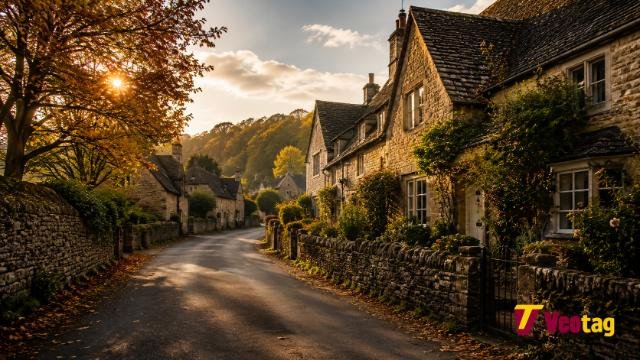
Each season creates a different experience.
Spring
Spring brings green countryside, flowers and comfortable conditions for walking.
Rain is still common, so waterproof clothing and suitable shoes remain useful.
Summer
Summer brings long daylight hours, giving travelers more time for villages and countryside walks.
It is also one of the busiest periods, particularly in famous places such as Bourton-on-the-Water and Bibury.
Starting early helps.
Autumn
Autumn changes the colours of the countryside and often creates a quieter atmosphere.
This season works especially well for walking, photography and country pub visits.
Winter
Winter brings short days and colder weather, but stone villages and traditional pubs can feel especially atmospheric.
Some attractions operate reduced seasonal schedules, so checking current opening information becomes more important.
Mistakes I Learned to Avoid
The biggest mistake is trying to collect villages.
Bourton-on-the-Water, Bibury, Broadway and Stow-on-the-Wold are not places to tick off as quickly as possible.
Exploring two places properly often creates a better day than rushing through six.
I also recommend avoiding these common mistakes:
- Arriving at every famous village around midday.
- Assuming rural roads are fast.
- Wearing unsuitable shoes for countryside paths.
- Forgetting a waterproof layer.
- Planning pub meals without checking food-serving times.
- Filling every hour with attractions.
- Spending the entire trip inside a car.
- Visiting only the most famous villages.
The quieter moments often become the best part of the trip.
Read Also: Things to Do in Málaga: My Complete Journey Through the City
FAQ’s
I recommend combining Bourton-on-the-Water, Broadway, one quieter village, a countryside walk and one historical attraction. This gives a good mix of villages, landscapes and history.
Two days gives a useful introduction. Three or four days creates a much more relaxed experience and leaves enough time for walking, historic attractions and longer meals.
Yes. Public transport connects some towns and villages, but planning becomes more important. Choosing one well-connected base and concentrating on nearby places makes a car-free trip much easier.
Bourton-on-the-Water is a good introduction for first-time visitors. Broadway is excellent for combining village streets with countryside walking, while Bibury is famous for Arlington Row.
Yes. Walking is one of the best activities in the region. The Cotswold Way is the best-known long-distance trail, while shorter countryside routes make it easy to add a few hours of walking to a village trip.
One day gives you a taste of the region. I recommend concentrating on two nearby villages and adding a short countryside walk rather than spending most of the day driving between distant places.
Final Thoughts
The best things to do in the Cotswolds are not limited to famous attractions.
The real experience comes from combining honey-coloured villages, countryside paths, market towns, castles, gardens, local history and traditional pubs.
I found that slowing the journey down made the biggest difference.
Instead of concentrating on how many famous villages fit into one day, I recommend choosing a smaller area and exploring it properly.
Walk beside the River Windrush in Bourton-on-the-Water. Spend time beyond Arlington Row in Bibury. Follow a countryside path outside Broadway. Explore the history around Sudeley Castle. Stop for lunch instead of immediately driving toward the next attraction.
Most importantly, leave some empty space in the schedule.
The Cotswolds feels most rewarding when there is enough time to walk down a quiet lane, follow a dry-stone wall through the countryside and notice the next honey-coloured village appearing between the green hills.
