

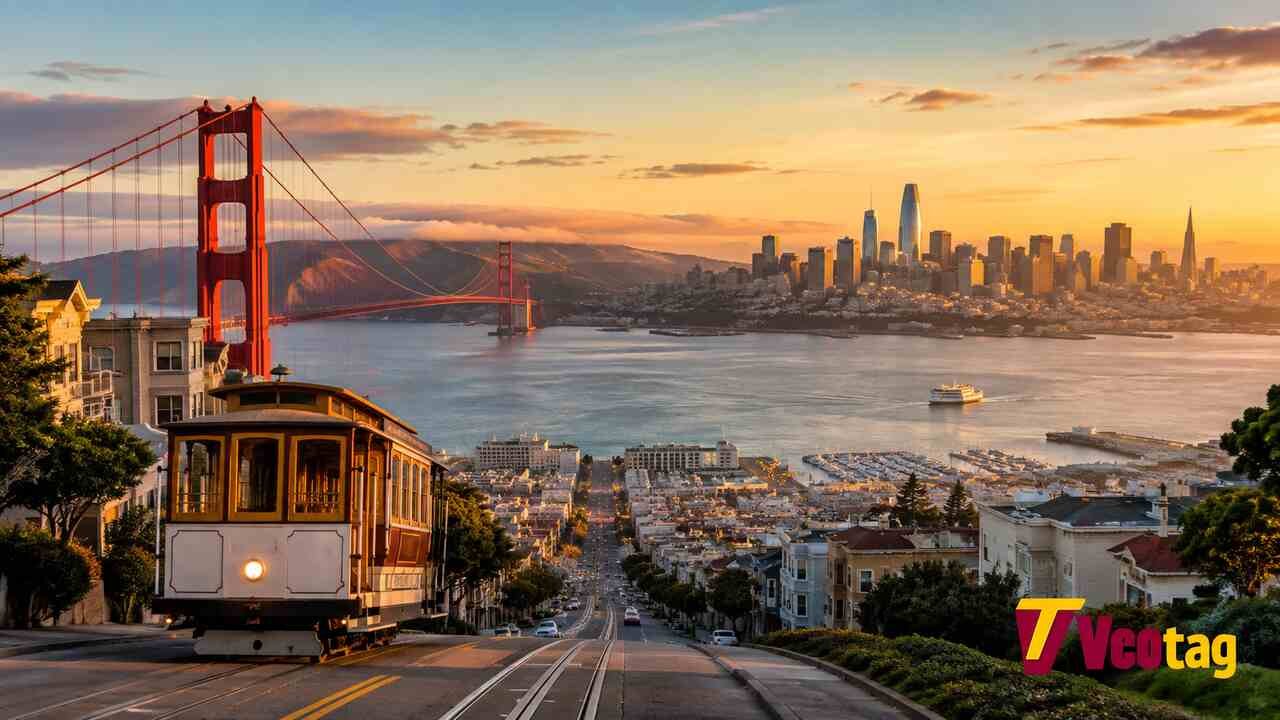
San Francisco caught my attention with its steep streets, historic cable cars, colorful Victorian houses, cool fog, waterfront views, and lively neighborhoods. I explored the city beyond its famous landmarks, walking across the Golden Gate Bridge, visiting Alcatraz, riding a cable car, discovering Chinatown and North Beach, exploring Golden Gate Park and the Mission District, and reaching the Pacific coast at Lands End.
Arriving and Getting Around San Francisco
I quickly noticed that San Francisco looked easier to walk on a map than it actually felt on the street.
Distances often appeared short, but the hills changed everything. A few blocks uphill sometimes felt like a proper workout.
I used a combination of walking and public transportation to explore the city. Muni buses, light rail, historic streetcars, and cable cars connected many of the areas I wanted to see.
I also kept an extra layer of clothing with me. San Francisco’s weather changes quickly, especially near the waterfront and Golden Gate Bridge. Even during warmer months, wind and fog can make the air feel surprisingly cool.
That became one of my first practical lessons: comfortable walking shoes and layered clothing made exploring San Francisco much easier.
1. Walking Across the Golden Gate Bridge
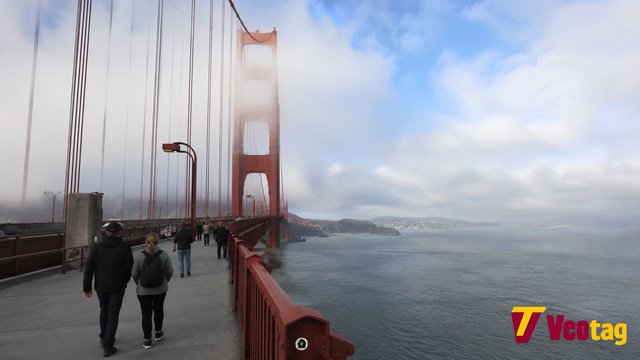
The Golden Gate Bridge was one of the first major landmarks I focused on.
Seeing it from a distance was impressive, but walking onto the bridge gave me a much better sense of its scale.
From the bridge, I could understand San Francisco’s geography more clearly. The city sat behind me, Marin County stretched ahead, the Pacific Ocean opened on one side, and San Francisco Bay spread across the other.
The wind was one of the first things I noticed. Conditions on the bridge can feel much colder than they do in sheltered parts of the city.
I recommend carrying a jacket even when the rest of San Francisco feels comfortable.
Walking only part of the bridge is enough for travelers with limited time. Travelers who enjoy photography and coastal views can spend much longer around the viewpoints and surrounding area.
Clear weather gives wide views across the bay. Fog creates a completely different scene as sections of the towers disappear into the clouds.
Both conditions feel very San Francisco.
2. Taking the Ferry to Alcatraz Island
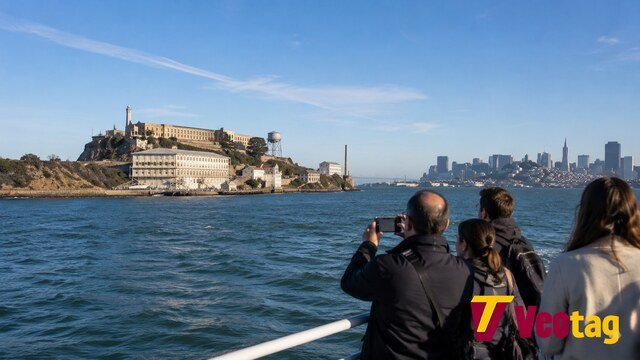
Alcatraz was another experience that deserved several hours rather than a quick stop.
The ferry journey immediately became part of the experience. As the boat moved away from San Francisco, the skyline opened behind me and the scale of the bay became much clearer.
Alcatraz Island is best known for the federal prison that operated there from 1934 to 1963, but the island has a broader history.
The cellhouse was the main attraction for me. Walking through the prison areas gave far more context than simply looking at Alcatraz from Fisherman’s Wharf.
I also spent time paying attention to the views back toward San Francisco. The city looked surprisingly close across the water.
Alcatraz is one attraction I recommend booking in advance. Popular dates and times can fill, especially during busy travel periods.
I also avoided rushing the island. Between the ferry journey, walking, prison areas, exhibits, and viewpoints, Alcatraz easily became a major part of the day.
3. Exploring Fisherman’s Wharf and PIER 39
After returning to the waterfront, I explored Fisherman’s Wharf.
This was one of the busiest tourist areas I encountered in San Francisco. Shops, restaurants, attractions, boats, street activity, and visitors filled the area.
I didn’t spend the entire day here because other neighborhoods felt more interesting to explore slowly.
The California sea lions near PIER 39 were the highlight.
Watching them sleep, bark, move around the floating docks, and push past one another was simple but surprisingly entertaining.
I spent some time around the waterfront and then continued exploring instead of staying around the souvenir shops.
That worked well.
Fisherman’s Wharf is worth seeing on a first trip, especially when combined with Alcatraz, but I recommend treating it as one part of San Francisco rather than the center of the entire visit.
4. Trying San Francisco Sourdough and Seafood
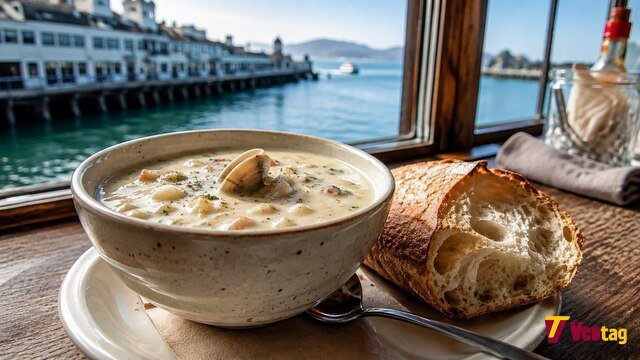
Food fitted naturally into the waterfront part of the journey.
San Francisco sourdough is closely connected with the city’s food identity, and Fisherman’s Wharf makes it easy to try.
Clam chowder with sourdough bread is one of the classic combinations found around the waterfront. Dungeness crab is another important regional specialty when it is in season.
A warm meal also felt especially suitable around the cooler waterfront.
For a wider food experience, I explored beyond Fisherman’s Wharf. Chinatown, North Beach, the Mission, Richmond, and Sunset all offered stronger reasons to build meals into neighborhood exploration.
That became one of my main food lessons in San Francisco: I didn’t stay around the biggest tourist attractions for every meal.
5. Riding a Historic San Francisco Cable Car
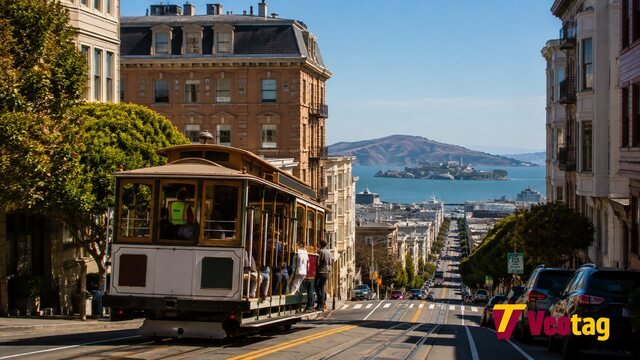
I couldn’t explore San Francisco properly without experiencing a cable car.
The ride felt very different from normal city transportation.
The cable car climbed steep streets, crossed busy intersections, passed historic buildings, and suddenly revealed views between the hills.
That constantly changing perspective was what made the experience memorable.
I found it useful to combine a cable-car ride with nearby attractions rather than riding simply for the sake of it.
Routes around Powell, Hyde, California Street, Nob Hill, Russian Hill, and the waterfront can fit naturally into a sightseeing day.
The cable car also helped when my legs needed a break from climbing.
6. Walking Down Lombard Street
I combined my cable-car experience with Lombard Street.
The famous section between Hyde and Leavenworth streets contains the tight turns that appear in countless San Francisco photographs.
The street itself didn’t take long to see.
What interested me more was walking around Russian Hill afterward.
This area reminded me that San Francisco’s residential streets can be attractions in their own right. The hills created unexpected views, and ordinary corners sometimes opened toward the bay.
I recommend leaving some time to explore the surrounding neighborhood instead of arriving, taking one photograph, and immediately leaving.
7. Exploring Chinatown
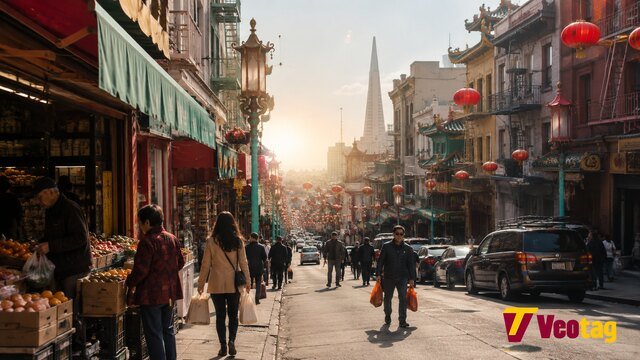
Chinatown became one of the neighborhoods where walking without rushing worked best.
I started around the better-known streets but continued beyond the main tourist shops.
Food markets, bakeries, restaurants, shops, temples, alleys, and everyday neighborhood life made the area much more interesting.
Grant Avenue is famous and easy to find, but nearby streets added more depth to the experience.
Food was another reason to spend time here.
Dim sum, dumplings, noodles, roast meats, and Chinese pastries gave me plenty to explore.
Rather than choosing somewhere only because it appeared on a tourist list, I paid attention to current menus, recent information, and the type of food each place specialized in.
Chinatown deserves more than a short photo stop.
8. Walking from Chinatown to North Beach
One of my favorite transitions happened when I walked from Chinatown toward North Beach.
The change came gradually.
Chinese restaurants, bakeries, markets, and shops gave way to Italian cafés, restaurants, bars, and businesses around North Beach.
I slowed down here.
San Francisco became more enjoyable when I stopped treating every hour as an opportunity to collect another attraction.
Walking along Columbus Avenue, stopping for coffee, looking at old buildings, and watching everyday neighborhood life gave me a better sense of the city.
North Beach also carries strong connections with San Francisco’s Italian-American community and Beat Generation literary history.
9. Climbing Telegraph Hill and Seeing Coit Tower
From North Beach, I continued toward Telegraph Hill and Coit Tower.
The climb took some effort.
This was another reminder not to underestimate San Francisco’s hills.
Once I reached the area, the elevated position gave me another perspective over the city and bay.
Coit Tower is one of San Francisco’s recognizable landmarks, but the surrounding Telegraph Hill neighborhood also deserves attention.
I recommend allowing extra time for the walk rather than treating the tower as an isolated attraction.
10. Spending Half a Day in Golden Gate Park
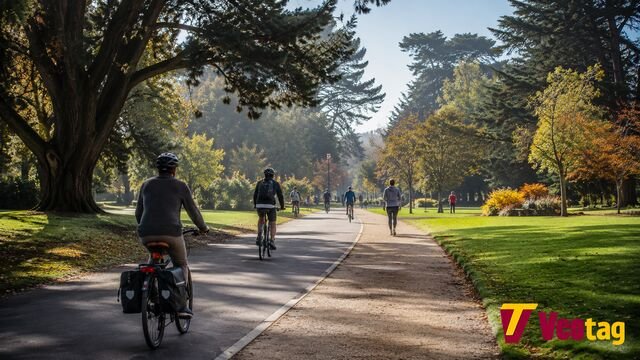
Golden Gate Park was much larger than a normal urban park experience.
It covers more than 1,000 acres and contains museums, gardens, lakes, walking paths, cycling areas, open spaces, and cultural attractions.
Trying to see everything in one visit made little sense.
I focused on a few areas and left time for walking.
Major attractions include the California Academy of Sciences, de Young Museum, Japanese Tea Garden, and Conservatory of Flowers.
Cycling is another practical way to cover more ground.
The biggest lesson here was simple: Golden Gate Park deserves several hours.
I recommend selecting one or two major attractions and leaving the rest of the visit flexible.
11. Seeing the Painted Ladies at Alamo Square
I stopped at Alamo Square to see the Painted Ladies.
The colorful Victorian houses are famous, but the wider scene was what interested me most.
Historic houses filled the foreground while modern San Francisco appeared behind them.
That contrast explained part of the city’s visual identity in a single view.
I spent some time in Alamo Square instead of treating it only as a photography location.
I also kept in mind that the Painted Ladies are real homes. Respecting residents, keeping noise reasonable, and staying off private property are important.
12. Exploring the Mission District
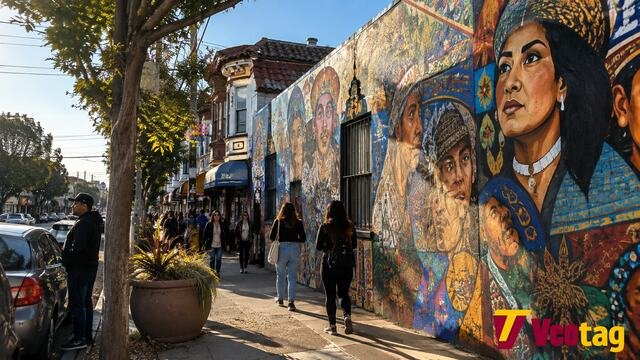
The Mission District showed me another side of San Francisco.
Murals, Latino cultural influences, restaurants, bakeries, independent businesses, cafés, and busy neighborhood streets created a different atmosphere from the waterfront.
I explored the mural areas, including Clarion Alley, and continued through nearby streets.
Food became part of the experience again.
A Mission-style burrito is one of the neighborhood’s best-known foods, and this was the right area to seek one out.
Dolores Park also fitted naturally into the route.
On a clear afternoon, the park provides an open view toward the city skyline and gives travelers somewhere to rest after walking.
13. Finishing the Day at Lands End
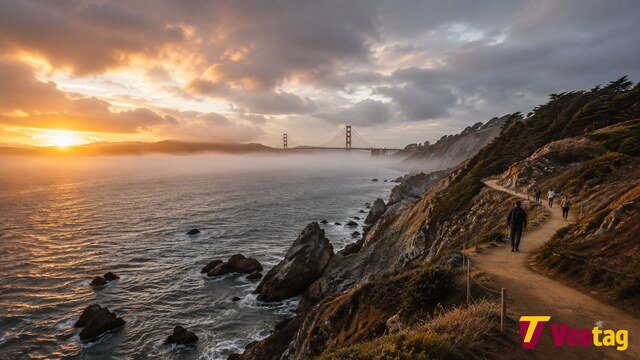
One of the biggest changes in atmosphere came when I reached San Francisco’s Pacific coastline.
The city suddenly felt much farther away.
Lands End combined walking trails, cliffs, ocean views, coastal vegetation, and distant views toward the Golden Gate.
The weather played a major role.
Fog could hide parts of the coastline within minutes, while clear conditions opened long views across the Pacific.
I kept another layer of clothing with me because the coastal wind felt much colder than sheltered parts of the city.
Lands End made an excellent final stop after several days of streets, museums, cable cars, and neighborhoods.
My Three-Day San Francisco Route
I kept nearby attractions together instead of crossing San Francisco repeatedly.
| Day | Morning | Afternoon | Evening |
| Day 1 | Golden Gate Bridge | Alcatraz and Fisherman’s Wharf | North Beach |
| Day 2 | Chinatown | Cable car, Lombard Street and Telegraph Hill | Waterfront and city views |
| Day 3 | Golden Gate Park | Painted Ladies and Mission District | Lands End or Ocean Beach |
Alcatraz ferry times can affect the order, so I recommend building the first day’s schedule around the confirmed reservation.
Getting Around San Francisco
Walking remained one of the best ways to understand individual neighborhoods, but I didn’t rely on walking for every journey.
The hills made that unrealistic.
Muni buses, light rail, historic streetcars, and cable cars helped connect different parts of the city.
For most city sightseeing, a rental car adds problems rather than solving them. Parking can be difficult and expensive, and public transportation reaches many major visitor areas.
I saved walking for neighborhood exploration and used public transportation for longer distances.
That balance worked best.
Mistakes to Avoid in San Francisco
My biggest lesson was not to pack too many attractions into one day.
San Francisco rewards slow exploration.
I also learned not to underestimate the hills, assume summer always means warm weather, leave Alcatraz planning too late, or spend the whole trip around Fisherman’s Wharf.
Comfortable shoes became essential.
Layers became essential.
Leaving empty space in the itinerary also became important.
Some of the most interesting moments came from walking down a street that wasn’t originally part of the route.
Another important rule applies to anyone using a vehicle: never leave luggage, phones, cameras, shopping bags, or other visible valuables unattended inside the car.
FAQ’s
I recommend the Golden Gate Bridge, Alcatraz Island, a historic cable-car ride, Chinatown, North Beach, Golden Gate Park, the Mission District, and Lands End. Together, these places show several different sides of San Francisco.
Three full days give a good introduction to the city. Four or five days provide more time for museums, food, neighborhoods, parks, and slower exploration.
A car isn’t necessary for most city sightseeing. Walking and public transportation cover many major attractions and neighborhoods.
Yes, especially on a first trip. I recommend combining it with Alcatraz and PIER 39 rather than spending an entire day around the tourist shops.
Layers work best. I kept comfortable walking clothes, good shoes, and a light jacket available. Wind and fog can make waterfront and coastal areas feel much colder.
Walking around the city rather than only moving between famous attractions.
The Golden Gate Bridge and Alcatraz are major highlights, but San Francisco became much more interesting when I explored Chinatown, North Beach, Russian Hill, the Mission, Golden Gate Park, and the streets connecting them.
Final Thoughts
San Francisco was not a city I understood through one landmark.
The Golden Gate Bridge gave me the iconic view. Alcatraz added history. Cable cars made the hills part of the experience. Chinatown, North Beach, and the Mission introduced completely different neighborhood cultures. Golden Gate Park gave me space to slow down, and Lands End brought the journey to the Pacific Ocean.
The trip worked best when I stopped trying to collect attractions and started exploring areas.
That is also my main recommendation for anyone searching for the best things to do in San Francisco.
Cross the Golden Gate Bridge. Take the ferry to Alcatraz. Ride a cable car. Walk through Chinatown and North Beach. Eat beyond the main tourist streets. Spend time in Golden Gate Park. Explore the Mission. Finish near the Pacific.
And while climbing San Francisco’s hills, remember to turn around occasionally.
Some of the best views appear behind you.
Read Also: Things to Do in Rhodes: History, Beaches, Villages and Island Adventures
